How to make your money go further as a frontline worker
Life Admin
Read time: 6 minutes
Making money stretch is tough for most households, and even tougher for frontline workers coping with long shifts, irregular hours and higher everyday costs. Essentials take up more of your income, leaving little room to cut back.
Most households spend around 11% of their weekly budget on food, it’s even higher for lower-income families. Core bills – gas, electricity, water – add further strain, especially when shift work means you’re heating your home during the day or running appliances at odd hours.
Traditional budgeting tips rarely fit the reality of frontline work. But small, practical changes can help. The sections below break down the weekly costs that matter – food, travel, energy and leisure – with simple ways to make your money go further.
Food and drink: smarter spending without sacrifice
Food takes up a significant chunk of most weekly budgets, and for frontline workers it can climb even faster. Long shifts, unpredictable breaks and sheer exhaustion mean convenience food becomes a necessity, not a luxury. The goal isn’t to overhaul your eating, it’s to find small, realistic tweaks that help keep costs down without adding pressure.
Smarter ways to save on your weekly food spend
Stock up on ‘grab-and-go’ essentials: Healthy snacks, microwavable meals, and quick breakfasts cost far less when bought in advance rather than on the fly at petrol stations or hospital shops.
Rotate simple, repeatable meals: A handful of cheap, easy recipes you can fall back on – pasta, soups, stir-fries, slow-cooker meals – save money and mental energy.
Make the most of supermarket loyalty apps: Points, digital coupons and personalised discounts can shave pounds off each shop – especially on staple items. Remember to download your card to you phone for easy access.
Travel and fuel – cutting costs when you rely on your car
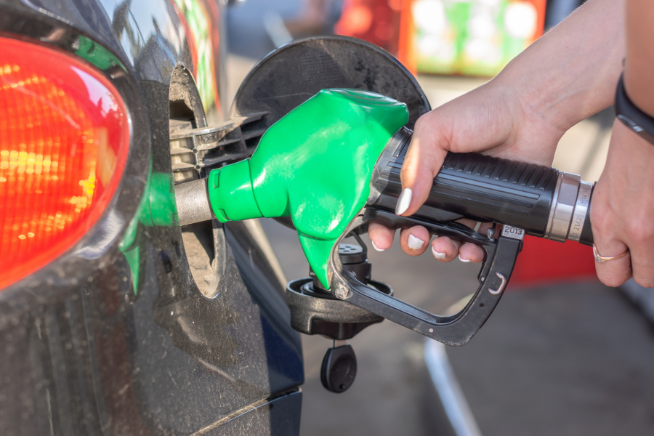
When you work shifts, your car isn’t just a convenience, it’s your connection to work, family and everything in between. Early starts and late finishes often fall outside public-transport hours, and long commutes between sites can make fuel one of the biggest weekly expenses. Add rising prices at the pump, and it’s clear how quickly travel costs can eat into your budget. But there are small, manageable ways to bring those costs down without disrupting your routine.
Smart ways to reduce weekly travel costs
Use fuel-price apps to time fill-ups wisely: Petrol and diesel prices can vary dramatically between stations, even within the same area. A quick check before you leave home can save a few pounds each week.
Keep tyres properly inflated: It sounds minor, but underinflated tyres can increase fuel consumption by up to 10%. A monthly pressure check can make every tank go further, especially on longer commutes.
Don’t ignore your car’s maintenance alerts: Small issues – worn tyres, faulty sensors, overdue servicing – can reduce efficiency and lead to bigger, more expensive repairs down the line. If something does needs changing, remember your Blue Light Card gives you access to various motoring discounts that can help reduce your car costs.
Review your car-insurance premium before it auto-renews: Auto-renewal can mean paying more than you need to. Taking a moment to compare quotes could lower your annual cost – and if you buy through Go.Compare via Blue Light Card, you’ll receive a £40 gift card.
Energy and home – managing daytime costs when you work nights
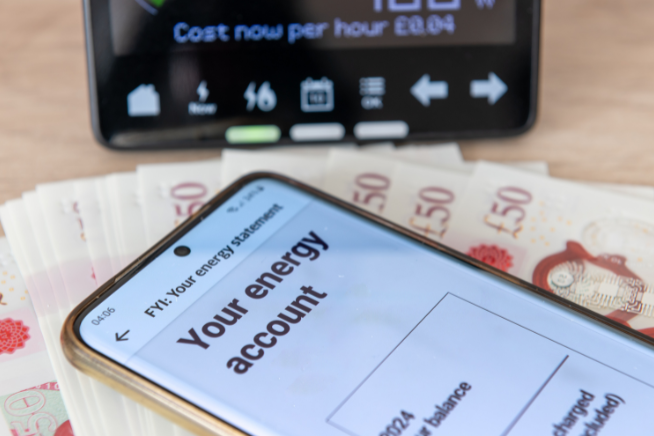
Energy bills hit differently when you work shifts. Sleeping during the day often means heating, lights and appliances are running at times when most households are out – and that can quietly increase your weekly costs. A few gentle adjustments are often all it takes to bring bills down without adding extra pressure. Plus, with your Blue Light Card, you can receive a gift card up to £85 when you switch with ScottishPower.
Simple ways to lower energy use without changing your routine
Use timers or smart plugs to control heating and lighting: If you sleep during bright hours, set lights to switch off automatically. Smart plugs can also cut standby power when appliances aren’t in use.
Make your bedroom work for you: Blackout curtains, thermal blinds or simple draught excluders help keep rooms dark and insulated so you’re not relying on heating as much during daytime rest.
Run appliances when they’re full: Washing machines, tumble dryers and dishwashers use less energy per item when fully loaded. If you know you’ll be too tired after a shift, set up loads in advance for the next morning or combine laundry on days off.
Leisure and family time – enjoying the moments that matter
When your work is demanding and your hours unpredictable, both leisure and family time can feel squeezed. Days off may fall midweek, plans often need to flex, and it’s easy to put your own downtime last when budgets are tight. But rest, fun and connection aren’t extras, they’re part of staying well, recharging and keeping life in balance.
Small ways to make leisure and family time more affordable
Make the most of your off-peak hours: Shift patterns often mean you’re free when others aren’t – which can mean cheaper cinema tickets, quieter gyms and discounted entry at attractions during weekdays.
Keep low-cost ideas in your back pocket: Picnics, local parks, free museums, board games, film nights or home baking can make midweek downtime feel special, without spending much.
Build simple rituals around your schedule: A takeaway breakfast after a night shift, a family walk before bedtime or a Friday-evening film can become small but meaningful anchors in a busy week.
Check Blue Light Card for days out discounts! They have a great selection of offers available to help your family save when you go out.
Let Blue Light Card help your budget go further
In a cost-of-living crisis, getting your essential bills under control can make everything else feel more manageable. A few small, steady adjustments help protect your budget so you can focus on what really matters: your wellbeing, your family and the moments that let you recharge.
Blue Light Card is here to support you through those moments. Stay updated with the latest offers to help cut the cost of everyday bills – and enjoy affordable ways to unwind, from discounted cinema tickets and meals out to cheaper family days together. Little savings can make a big difference, especially when your days are already full.
Check out our Money Hub for all of our discount to help you save on your everyday essentials and bills.
How to make your money go further as a frontline worker