
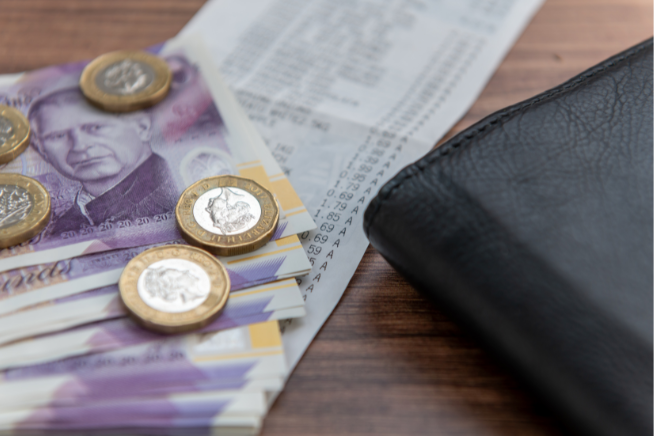
This year’s Autumn Budget, announced by Chancellor Rachel Reeves, introduced changes that will directly shape everyday costs for frontline workers, from take-home pay and commuting to energy bills.
Figuring out what that all ACTUALLY means for your bank balance can often be tricky - so we have put together a clear, Blue Light Card community-focused breakdown of the announcements that may affect you, with simple guidance on what they mean and how to make the most of the offers available on your Blue Light Card.
This year’s Budget confirmed some important changes that will shape how much you bring home each month. And because so many of you rely on overtime, enhancements and unsociable hours shifts to help make ends meet, even small changes to tax and National Insurance can have a noticeable impact on your weekly budget.
National Insurance thresholds frozen
Because tax and NI thresholds are frozen, future pay rises will be taxed more heavily. You may not feel the impact right away, but over time it means less of your increase ends up in your pocket.
Income tax thresholds remain the same
After years of frozen bands, income tax thresholds will now remain frozen until 2031. This means more people can be pulled into higher tax brackets simply because wages have risen with inflation.
A boost for lower-paid workers
The Budget confirmed an increase to the National Living Wage and National Minimum Wage. For lower-paid frontline staff, this uplift should provide some welcome extra income to help with rising everyday costs.
While National Living Wage will help lower-paid workers, frozen tax and NI thresholds mean many of you will still keep less of any future pay rise – especially if overtime and shift enhancements are a big part of your income.
With budgets feeling tighter, revisiting your essential bills is more important than ever. Blue Light Card partner offers on broadband, insurance, groceries and more can help ease the pressure and stretch your income further.
Commuting is one of the largest unavoidable expenses for frontline workers – especially for those travelling to early starts, late finishes or rural stations where public transport options are limited. The cost of fuel therefore has a direct impact on your ability to get to work.
Fuel duty freeze
The Budget confirmed a freeze on fuel duty, keeping the current rate in place for another year. While this avoids an increase at the pump, fuel costs remain high, so if you rely on your car for long or irregular journeys, it may still put pressure on your weekly budget.
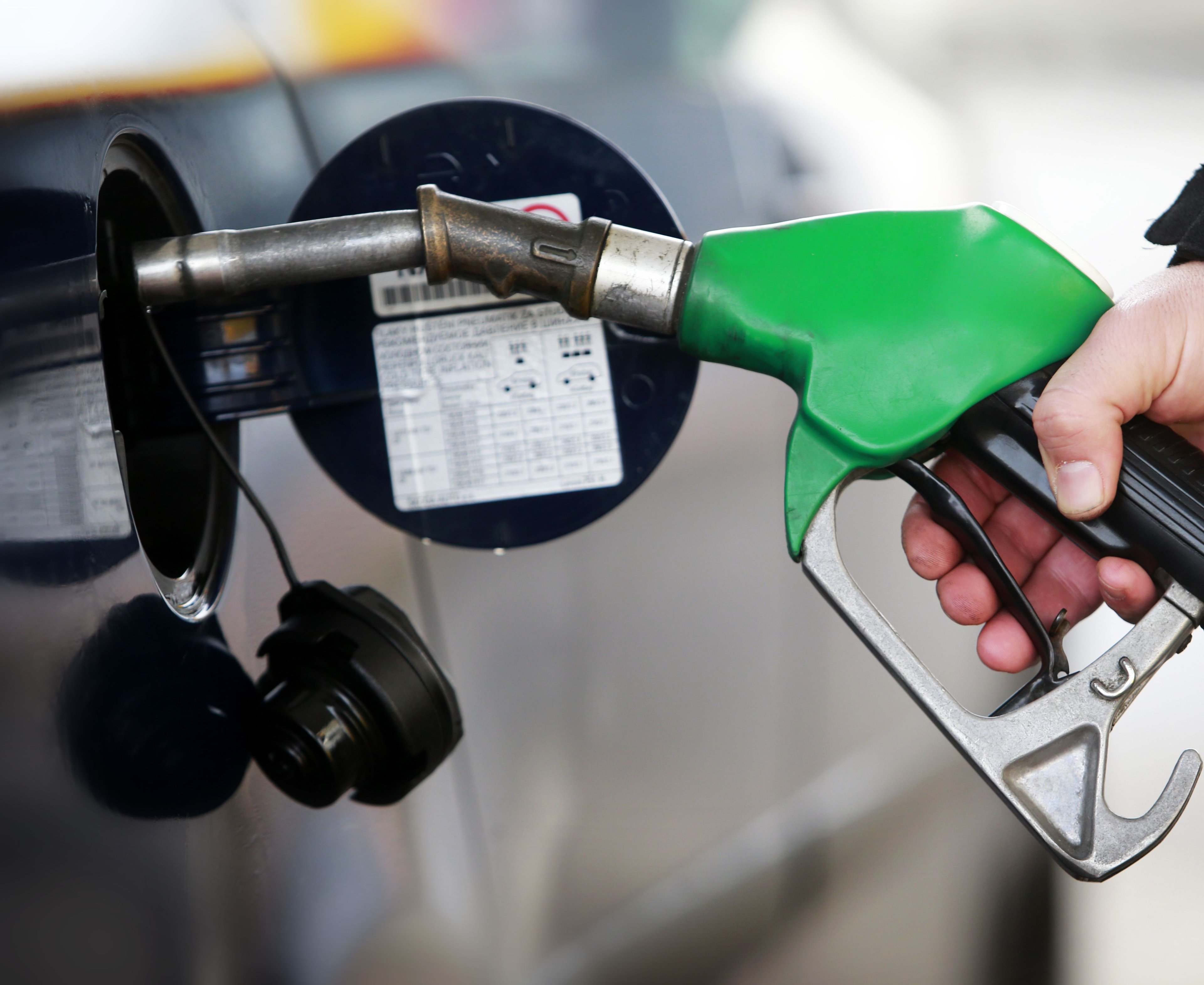
Even with the freeze on fuel duty, many of you who drive long distances or travel between multiple sites will still feel the strain of high fuel prices. With costs remaining unpredictable, keeping travel spending in check is more important than ever.
While Blue Light Card doesn’t offer direct savings on fuel itself, you can trim motoring costs elsewhere. Buying car insurance through Go.Compare via Blue Light Card earns you a £40 gift card which you can use on everyday spending.
Shift workers often heat their homes at odd times – afternoons, early mornings, overnight – when tariffs can hit hardest. Energy changes in the Budget matter more than many people realise.
Energy price savings
According to the Budget, new measures will reduce average household energy bills by around £150 a year. While the exact saving will vary depending on your supplier and usage – especially if you heat your home at unusual times because of shift work – the change should offer some welcome relief over the colder months.
If you’re home during daytime hours, running heating or appliances when costs can add up quickly, this change could bring noticeable relief over the year – especially through the winter months.
Check Blue Light Card deals on broadband and smart-home tech to help manage usage and keep home-running costs under control.
Budget announcements can feel distant until they hit your wallet. But for frontline workers, the impact is immediate: your commute, your energy bills, your pay packet and your family’s weekly budget.
Whatever changes this year brings, you’re not facing rising costs alone. Blue Light Card members save on food, broadband, insurance, energy, clothing, days out and more – helping every pound go further.
Check out our Money Hub for all of our discount to help you save on your everyday essentials and bills.