
Last updated: 26th August 2026
Blue Light Card has commercial relationships with some of the services mentioned in this article and may earn a commission if you switch providers through one of our links, at no extra cost to you.
When was the last time you properly looked at your energy bill, aside from noticing the total getting bigger? If it’s been a few months, you’re in good company. When your routine doesn’t follow a typical 9-5 pattern, keeping track of what you’re using can easily slip down the to-do list.
On 26th August, Ofgem confirmed the cap will rise a further 4% from 1st October 2026. As a result, the average household will be paying around £60 a year more, adding up to a total of £1,723 for gas and electricity per year. This means it’s the ideal time to take a closer look at your energy bills to find out what you’re actually paying for.
In this article, we’ll explain what the new energy price cap means for you and share five practical hacks to help you better understand your costs, from reviewing your energy tariff to spotting where you might be overpaying.
Read on for checks that can potentially help you lower your energy costs.

The energy price cap is in place to help protect customers on standard variable tariffs from being overcharged. The cap is reviewed every three months by Ofgem, the UK’s energy regulator, to reflect changes in the wider energy market. The new cap was announced on 26th August and will go into effect on 1st October, staying in place until the end of December.
The key thing to understand is that the energy price cap doesn’t cap your total bill. You still pay for all the energy you use. Instead, it limits how much suppliers can charge for each unit of gas and electricity, along with daily standing charges.
So, if you use 100 units of energy in a month, you still pay for all 100 units. The cap simply limits the maximum amount suppliers can charge for each single unit of gas or electricity you use. The cap also limits standing charges: the fixed daily amount you pay to stay connected to the energy network, regardless of how much energy you actually use.
The cap applies to variable tariffs – the default tariffs many customers are moved onto when a fixed deal ends – meaning changes to it can affect millions of households across England, Scotland and Wales.
The most recent price cap announcement confirmed a 4% increase starting in October, a rise that reflects global market instability.
So what does all this mean for your bills? As a result of the October energy price cap rise, households on standard variable tariffs are likely to see their energy costs increase.
Choosing between a fixed or variable tariff is one of the biggest decisions that can affect your energy bills and overall energy costs.
A variable tariff means the amount you pay per unit of gas or electricity, and it can go up or down over time in response to wider energy market changes and updates to the energy price cap. That means households on standard variable tariffs are more likely to feel the effects from the October cap changes.
A fixed tariff works differently. It locks your unit rates in for a set period, usually between 12 and 24 months, meaning your prices won’t change during that time, even if the energy price cap and wholesale energy costs waver. For many households, that added predictability can make budgeting feel a little less stressful.
Which energy tariff type is right for you depends on what matters to your household. Some people prefer the certainty of a fixed tariff and knowing exactly what they’ll pay each month. Others are happy to stay on variable tariffs in case prices fall later on.
There's no one-size-fits-all solution here. Take a little time to compare what’s currently available and what suits your individual situation best. A fixed tariff that’s only slightly higher than your current rate might feel worth it for the reassurance of knowing what you’ll pay, whereas a much more expensive fixed deal may be hard to justify if prices fall later on.
It’s also worth keeping in mind that in response to increased global wholesale energy costs recently, many suppliers have increased prices on their fixed offerings or even pulled some of their fixed tariffs. That means fixed deals may be limited or more pricey than usual at the moment.
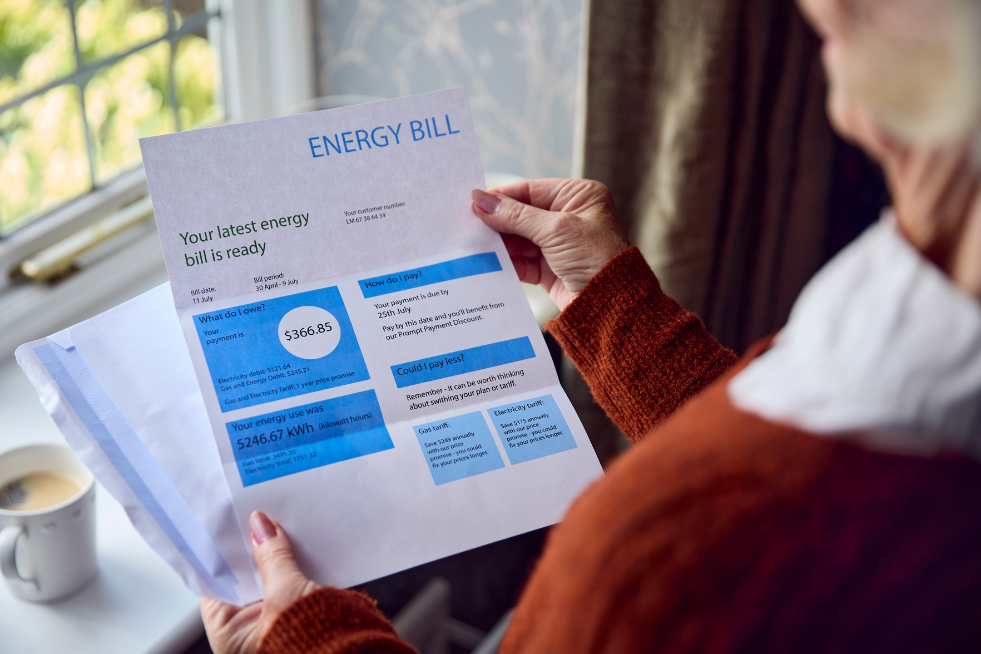
If you’re not sure which tariff you’re currently on, check your latest energy bill or online account with your supplier. The tariff name and type are usually listed near the top of the document.
Now that you understand the energy price cap and how changes to it can affect your bills, we’ll share our five areas to check to see if you can reduce your energy bills.
How you pay for energy can affect what you’re charged and what deals are available to you from suppliers.
Paying by direct debit can be cheaper than paying on receipt of a bill, as suppliers appreciate the reliability of automatic monthly payments. A prepayment meter can be useful if you want to carefully manage your energy costs, but you’ll need to remember to keep it topped up to avoid running out of credit.
If you haven’t reviewed how you pay in a while, it’s worth checking whether your current setup still suits your household and budgeting habits.
If you pay by direct debit, your supplier will estimate how much energy you’ll use throughout the year and spread the cost across monthly payments. If those estimates are inaccurate, you could end up overpaying and building up credit on your account by accident.
That credit can usually be refunded or used to help cover future energy bills, but regular meter readings – or using a smart meter – help keep your account accurate in the first place and avoid this kind of overpayment.
If you use a prepayment meter (or pay-as-you-go meter), think about which kind of rate you’re on and whether it suits your situation. Many suppliers offer different prepayment tariffs, and it’s often possible to switch deals or suppliers to reduce your energy costs.
Some households may also be able to move from a prepayment setup to a pay-monthly arrangement, where energy is used first and paid for later, often by direct debit. If that’s something you’re interested in, speak to your supplier about what options are available.
Some suppliers offer time-of-use tariffs, meaning electricity is cheaper at certain times of day. The exact hours vary between tariffs, but cheaper off-peak energy rates are often available overnight or early in the morning, when demand across the network is lower.
These tariffs are still less common than standard energy tariffs and may require a smart meter, but if you work irregular shifts, get home late or use appliances overnight, your lifestyle may suit this kind of setup.
If you think this type of deal could help lower your energy costs, go ahead and ask your supplier what they offer in the way of time-of-use tariffs, and compare that quote with others from across the market.

Once your tariff and payments are in the right place, you’ll find that most energy bill savings come from how you use energy day to day. We know it’s unhelpful to simply say “use less”, so here are our tips on how you can get better value from the energy you do use.
One of the best ways to make sure you’re not overpaying is to scope out what else is available on the market. Comparing energy tariffs and switching is one of the quickest ways to lower your energy costs, depending on your current deal and available options. Especially if you’ve been with your provider for a while, it’s well worth shopping around to see if there are cheaper offers.
Ready to switch tariffs or get a better deal with your current provider?
Check Blue Light Card's utilities discounts first to see if you can get additional savings or incentives like £50 gift cards for switching both gas and electricity to select providers.*
Simple steps such as comparing your energy tariff against other options in the market, seeing what deals exist if you were to switch providers, submitting regular meter readings and adjusting heating settings can help reduce energy bills.
A time-of-use tariff charges different rates depending on when you use energy. Electricity is often cheaper during off-peak hours, such as overnight.
Potentially. If you use appliances during cheaper periods, off-peak energy rates on a time-of-use tariff could help lower your overall costs.
This article is for informational purposes only and does not constitute financial advice.
*Terms and Conditions apply.