

You've eaten lunch outside for the first time this year. You’ve reached past the jumpers in your wardrobe for a short-sleeve shirt. And suncream hasn’t crossed your mind yet.
We don’t blame you. Most of us associate SPF with beach holidays – a bottle of factor 50 perched by your sun lounger, ready to reapply like clockwork every two hours. But UV rays don’t discriminate based on whether you’re sipping iced drinks by the pool or wolfing down a sandwich outside work. The UV index in the UK starts climbing in spring, and by April it’s high enough that it can cause damage on a clear day – yes, even when it’s barely 15ºC.
Sunshine – as lovely as it feels after a long, grey winter – is a source of UV (ultraviolet) radiation. UV rays damage skin cells over time, especially with regular and prolonged exposure. The more time you spend in the sun unprotected, the more potential damage to your skin.
That’s why using sun protection is crucial for looking after your skin, now and in the long run. According to the NHS, “consistent use of sunscreen helps protect skin cells from damage caused by UV radiation, significantly lowering the long-term risk of developing skin cancers.” Plus, sun exposure also affects your skin's appearance. By loading up on SPF, you can help to reduce potential hyperpigmentation and premature signs of ageing.
Although the UV index in the UK is lower than it might be in your favourite holiday spots abroad, it’s still strong enough to cause harm, particularly in the sunnier months between March and October. If your job keeps you outside a lot – patrolling, training, attending incidents – you’re probably clocking up more sunlight hours than most.
Even when you’re inside a vehicle, you benefit from sun protection. UVA rays pass through car windscreens, so using SPF is super important if you spend lots of time driving – especially on the side of your body closest to the window.

When you imagine SPF products, you might think of thick, sticky suncream that leaves a white cast on your skin and clothes. But there are more options available than you might realise – including ones specifically formulated for different skin types. Here’s what to look for when choosing the right SPF for you.
‘Broad-spectrum’ options will shield you from both UVA and UVB rays. UVB is the type of ray that causes acute sunburn, while UVA penetrates deeper, causing cell damage and accelerating signs of ageing. Look out for at least four or five-star UVA ratings on your products to know you’re getting full protection – that’s what the NHS recommends.
The number rating for SPF that you see on products refers to the UVB protection it offers. The higher the number, the more protection the product offers. For example, SPF 50 means it takes 50 times as long for your skin to burn as it would unprotected. The NHS recommends using at least SPF 30 to adequately protect against UVB rays.
There are two main types of SPF products. Chemical sunscreens work by absorbing UV rays and tend to feel lighter on your skin – a great alternative if you don’t like the feeling of heavy lotions. Mineral, also known as physical sunscreens, sit on top of your skin to reflect the sun’s rays away. Mineral types can be gentler on sensitive skin, but they're more likely to leave a white cast behind.
You can also pick up SPF formulas designed to mattify oily skin, hydrate dry skin or avoid irritation on sensitive skin, so you can match your sun protection to your needs.
The key to protecting your skin from the sun? Consistency. The right formula for you is the one you reach for every day. Invest in products that you can incorporate into your routine – they’ll be much more beneficial in the long run than something you use once and forget about. For example, if you’re always getting ready in a hurry, look for a 2-in-1 moisturiser and SPF to save you the extra step in the morning.

Once you’ve sorted out which products work for you, it’s time to apply them – liberally.
It's tempting to use a tiny blob at a time to make the bottle last longer, but SPF is one product you shouldn't try to eke out. Follow the application advice on the packaging for maximum protection – usually, that means applying around half a teaspoon of product for your face and neck. For exposed arms and legs, you'll want about a tablespoon's worth per area, or enough to feel that your skin is properly coated.
Chemical sunscreens often need around 15 to 20 minutes to absorb before they're fully effective, while physical suncreams may need a little time to dry so they don’t mess up your clothes. Try to build SPF into your routine rather than slathering it on as you walk out the door. Apply your suncream just before breakfast, and you should be good to go by the time you’ve finished sipping your morning coffee.
Plenty of foundations and tinted moisturisers now include SPF, which is a helpful extra layer to have on top of your sunscreen. SPF makeup is an added bonus, though – not a replacement for dedicated suncream. Most people don't apply foundation thickly enough for it to provide real protection. Setting sprays with built-in SPF are worth a try if you want to top up on SPF through the day without smudging, but again, make sure to use a strong SPF as a base.
These are the spots most people forget to protect. Lips burn easily and don't tan, so an SPF lip balm in your pocket or bag is a no-brainer for being outdoors. For your scalp, you can use a sun protection spray or wear a hat to keep your head covered.
Even the best sun lotion wears off over time, especially if you're sweating. Reapply your SPF every couple of hours when you're spending extended time outdoors. A mini spray of chemical sunscreen in your work bag will make this easier – it’ll take just five seconds to apply, and you don't need a mirror to rub it in as long as you pick an invisible-finish option.
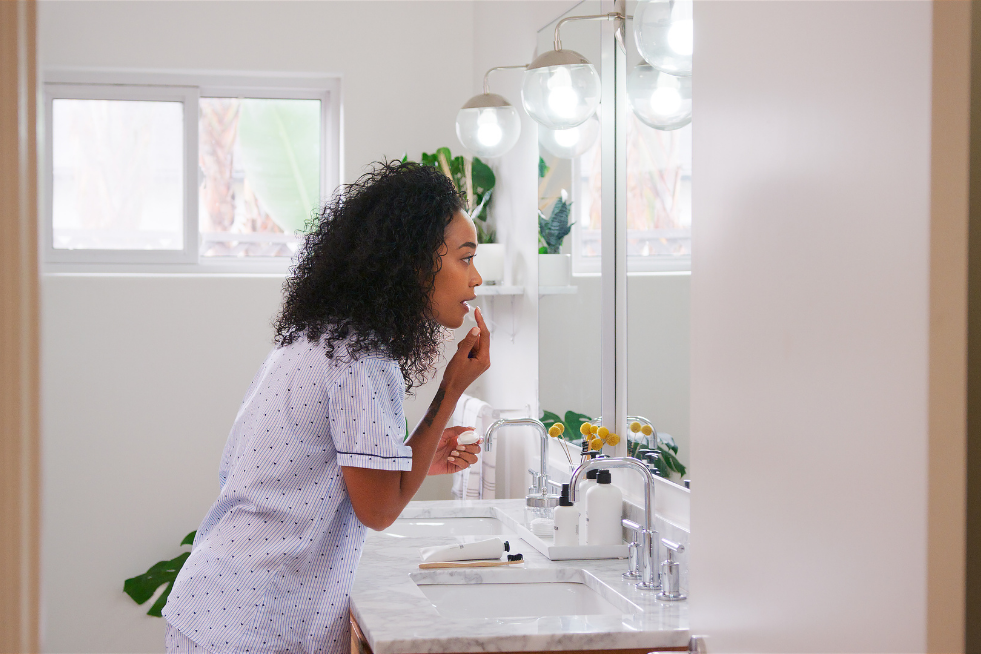
If your suncream is waiting for you in the bathroom when you brush your teeth in the morning, you’re more likely to pick it up. If it's buried in the back of a cupboard somewhere? Not so much. Making sure you see your SPF every day is one change that’ll help you keep up your sun protection habit. Always on the go? Buy multiple bottles and keep one in your work bag or your car so you’ll never be without.
Next time you reach for those short sleeves, make sure that SPF is part of the plan, too. Using sun protection doesn’t have to be an expensive habit – with your Blue Light Card, you can save on suncreams, sunscreens, SPF moisturisers and more at top retailers like Boots.
You also have access to exclusive discounts at LOOKFANTASTIC, which stocks plenty of SPF-infused makeup as well as K-beauty sunscreens that double up as primer.
Explore our health and beauty deals to find your new favourites.
This article is for informational purposes only and does not constitute medical advice. For personalised guidance on skin health and sun protection, please consult a qualified healthcare professional or the NHS.