
Bank holiday weekends are lovely in theory. In practice, however, you’re either lined up for a long shift, wrangling the kids on their extra day off or trying to run errands in shops that are suddenly closed.
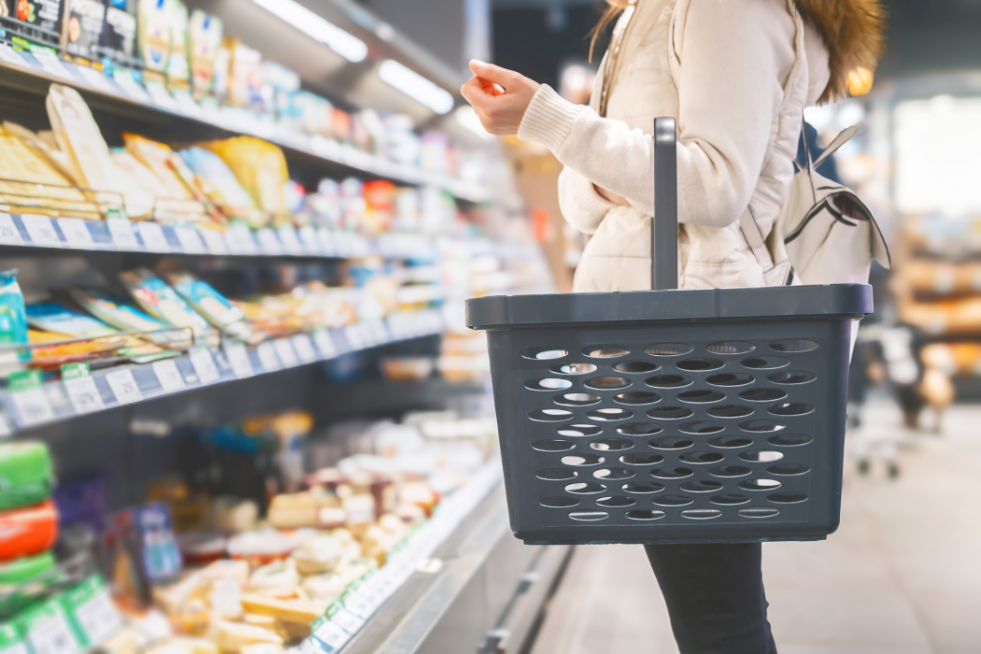
Regardless of how you spend the time, you need to eat – and the food shop before a bank holiday weekend is its own form of chaos. Between packed aisles, reduced hours, and cut-throat competition for the last pack of halloumi, here’s how to make it work for you.

Whether you’re heading out for a roast, entertaining guests or picnicking in the park, one of the best ways to save money on your big bank holiday weekend shop is to map out your meals.
It’s too easy to head to the supermarket and simply choose whatever looks good – but that strategy could have you heading home with four new flavours of artisanal crisps and no milk.
Before you go for your bank holiday shop, write down what you’ll eat for every meal over the weekend. If you fancy something you spot in the aisles, ask yourself which meal it can go with. Sticking to your list can save you a few pounds on impulse buys.
It may seem like a silly suggestion, but having a bite to eat before you head to the shop can help, too. When you shop hungry, you’re a lot more likely to pick up snacky bits that you wouldn’t otherwise put in your basket.
One of the most common bank holiday food shop mistakes? Giving yourself too much to do. As a member of the Blue Light Card community, you may well have shifts during the long weekend, so it’s important to cut yourself a little slack when it comes to whipping up culinary creations.
Bouncing from a week of night shifts into a weekend of cooking for family and friends might sound like fun, but your body clock may have other ideas. Check your rota before planning your menu, and remember it's okay to prioritise rest over restaurant-quality recipes.
If you are hosting, make it easier for yourself by getting a head start. Instead of cooking up a three-course meal in a frenzy while the in-laws head over, prepare some of the food in advance. Veggies can be chopped, meats can be marinated and pasta salads can be thrown together the day before.
If you’re going to be really tight on time, easily defrostable dishes will be your friend – lasagnas, stews and casseroles can be heated up in the oven and will taste just as fresh after a few days in the freezer. Nobody at the table needs to know it wasn’t made that morning.
It sounds obvious, until you're standing outside a dark supermarket on bank holiday Monday, wondering why the automatic doors won’t open for you.
Most supermarkets reduce their opening hours over a bank holiday weekend, while many small shops close entirely on the day itself. Hours vary by store and by which bank holiday it is, so it's worth a quick check on the supermarket's website or app before you head out. It takes thirty seconds and could save you a wasted trip.
If you’re planning a big haul, it might be worth placing your order online. No queues, no crashing trolleys in the bread aisle, and you can see the running total as you go. Delivery slots fill up fast before a bank holiday, so if you're going down that route, book early.
Bank holiday food shops just got a little bit more affordable with Shopping Cards. Shopping Cards are discounted gift cards you can purchase to save on everyday spending. They’re available to use at M&S, Iceland and Morrisons, to name a few of our 100+ eligible partners.
The bigger your haul, the bigger the savings, which is why it’s a great idea to get set up with Shopping Cards ahead of your bank holiday food shop.
Getting a Blue Light Card discount on supermarket shopping is simple. You just need to follow these steps to get your Shopping Card:
Want to see a step-by-step guide to getting your Shopping Card? Watch our how-to video.
Not all bank holiday food deserves the same budget, and shopping thoughtfully means you can minimise your costs while maximising taste.
Spend more on the centrepiece of your meal, whatever it is. If you’re having a BBQ or roast, that means getting a good cut of meat or high-quality veggie alternatives. Fresh bread makes all the difference, too, whether it’s for burgers, sarnies or mopping up sauce. Another top tip is to buy better quality options for the ingredients that bring the most taste to your dish – whether that’s getting the juicier tomatoes for your salad or a nice block of aged cheddar for the cheeseboard.
Save money on condiments by getting supermarket own brands – when spread in a burger, that pricy ketchup or mayo will taste just the same as the cheaper alternative. You can also save on basic ingredients like potatoes, pasta and rice by buying larger packs of own-brand products. We’d recommend buying your veggies whole rather than pre-cut, too – you pay a premium for someone else's chopping, and it adds up fast when you're filling a whole crisper drawer.

The barbecue is a bank holiday classic for a reason – and it doesn’t need to cost as much as you might think. It’s easy to overbuy for a BBQ because it feels like a big occasion, so we’d recommend working backwards from how many people you’re cooking for rather than forwards from what looks good in the shops. Save on sides by making your own – buying a cabbage and assigning a family member to chopping duty is cheaper than getting pots of ready-made coleslaw.
A proper mid-morning fry-up feels like a treat and will have you full up enough not to need much lunch. Bacon, eggs, sausages and bread are all you need. If you’re feeding a crowd, make a big batch of scrambled eggs – take it from us, it’s a lot less stressful than trying to fry eight perfectly sunny-side up eggs at once.
Whether it’s a pasta bake, shop-bought pizzas or (even better) leftovers from your weekend feasting, you’ll want to take it easy the night before everyone is back at work and school. Minimal prep time and washing up will be a welcome change after the bank holiday weekend.
Ready to plan your big bank holiday shop? Explore Blue Light Card’s grocery discounts to fill your fridge for less.