
This article contains links to motoring offers from providers that Blue Light Card has commercial partnerships with. If you buy through these links, Blue Light Card earns a commission at no extra cost to you.
Coffee cups. Air fresheners. Chewing gum. A spare pen that may or may not work – and that’s just the front seats.
When you spend large parts of the working day on the road, your car becomes more than just transport. It doubles as a workspace, a lunch break spot, a storage cupboard and, occasionally, a quiet refuge between stressful moments.
Whether you’re travelling between home visits, commuting at unusual hours or working out in the community, we know that keeping your car in top condition matters for both your safety and your sanity.
The good news? Keeping your car running smoothly doesn’t have to be complicated. A few simple habits, regular checks and a little planning go a long way towards reducing car running costs and helping you avoid potential problems later on.
In this article, we’ll share our top tips for keeping your vehicle running safely and efficiently – as well as a few ideas for making it a nicer space overall.
When you’re juggling long shifts and constantly on the move, things like your tyre pressure probably aren’t top of mind – fair enough. But a few quick checks can save you a lot of hassle down the line; regular car maintenance is key to preventing problems from building up and can potentially reduce your car running costs in the long term.
You don’t need specialist knowledge or a lot of time. Just use this quick vehicle maintenance checklist to tick off the key parts of your car. Don’t trust yourself to check regularly? Set recurring reminders on your phone to keep you on track.
Tyre pressure and tread should be checked every couple of weeks. According to the Energy Saving Trust, under-inflated tyres increase fuel use (and therefore costs), affect handling and wear out more quickly.
Most petrol stations have tyre inflation pumps with built-in pressure gauges, and the recommended PSI (pounds per square inch) for your car is usually printed inside the driver's door frame or in your owner's manual, so it’s easy to fill up when you need to.
For checking your tread depth, try the 20p test. Insert a coin into the tyre grooves, and if you can still see the outer band of the coin, it's a sign that your tread depth may be approaching 3mm, the point at which you should replace your tyres according to experts like the RAC. The legal minimum tread depth in the UK is 1.6mm. If you’re anywhere close to that, replace your tyres immediately to keep your vehicle running safely and legally.
When it’s time to upgrade your tyres, you can do it for less thanks to your Blue Light Card – just explore our motoring deals to find out more.
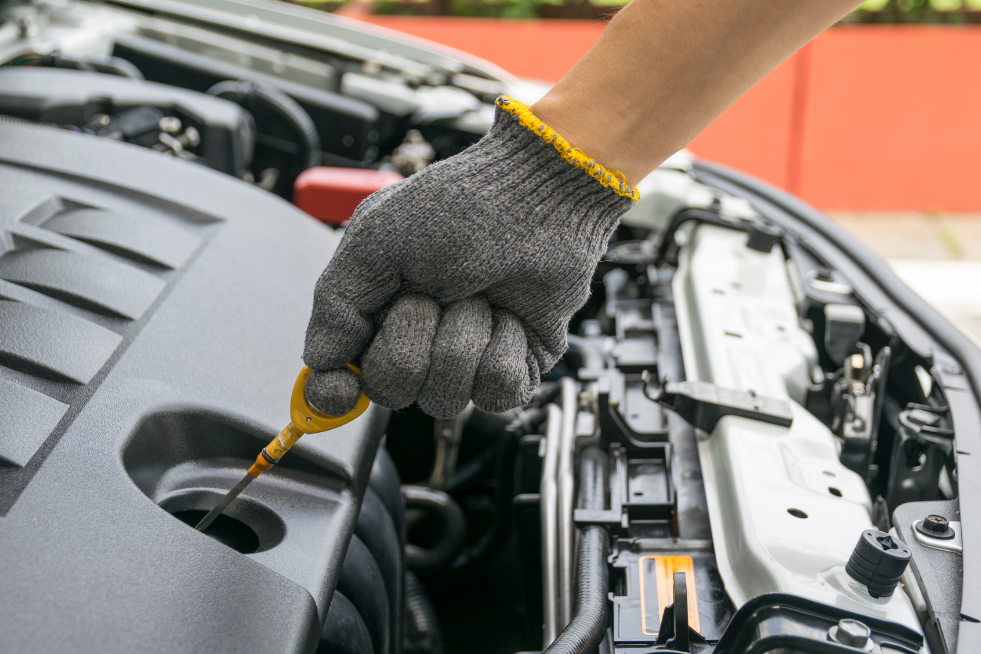
Engine oil should be checked with the dipstick before long journeys or at least every two weeks. Make sure the level sits between the minimum and maximum markers, and that you’re using the correct oil grade for your vehicle, too, as using the wrong type can affect engine performance. Most garages and car parts retailers have online tools where you can enter your registration to find the right one, or you can check your owner's manual.
It’s also a good idea to keep an eye on your coolant and brake fluid each time you look under the bonnet. Make sure that the fluid levels are between the minimum and maximum markers – if either one is running low, get them looked at, as this could be a sign of an issue.
A quick walkaround check of your headlights, indicators and hazards helps you stay safe and legal. Driving with missing or faulty headlights can result in fines and penalty points on your licence, so regular checks are important. Bear in mind that cars with sealed LED units will need a full headlight replacement rather than a simple bulb swap, so you may need to budget accordingly.
Clear visibility is essential, especially if you’re driving for work whatever the weather. Most petrol stations have windscreen cleaning stations you can use to quickly clear dirt, pollen and road grime from the glass. Pay attention to your wipers, too. If they’re leaving streaks, smearing water or making squeaking noises, the blades are likely worn and need replacing. Finally, don't forget your screen wash. It's easy to overlook, but driving with impaired visibility due to a dirty windscreen may, in some circumstances, constitute a careless driving offence in the UK, so make sure to keep your screen wash topped up.
Regular car servicing is one of the most effective ways to keep costs under control over time. Most manufacturers recommend servicing your car at least once a year or every 12,000 miles, although this can vary depending on the vehicle, the make and model, and how heavily it's used. If you're covering high mileage for work, you could consider asking your garage about an interim service every six months – it's a lighter check but can catch issues before they become expensive.
Planning ahead makes a difference here. If you know a service is coming up, booking it in once you get your rota can help you avoid disruption and reduce the chances of being caught out later. Some garages also offer service plans that spread the cost into monthly payments, which can make it easier to budget for.
If your car is an EV, your servicing schedule will look a little different. EVs generally need fewer routine services than petrol or diesel cars, but they still benefit from regular checks. Because EVs tend to be heavier than equivalent petrol or diesel models (due to the battery pack), tyre wear can be faster than you might expect, so checking pressure and tread regularly is especially important. Check your manufacturer's handbook for the recommended servicing intervals and any model-specific advice.
As a Blue Light Card member, you get access to multiple options for discounted car services and MOTs – just check out our vehicle maintenance offers to find out more.
Remember that how you drive affects what you spend
If you’re heavy on the brakes and like to get through the gears as quickly as possible, it might be worth easing off a little. The way you drive can have a noticeable impact on your everyday car running costs. Smoother acceleration, steady speeds and avoiding unnecessary idling may all help improve fuel efficiency and reduce long-term fuel use, particularly if you’re driving a lot.
One of the simplest ways to avoid bigger repair costs is to pay attention to early warning signs. Luckily, your car is usually pretty good at telling you when something's off – unusual noises, changes in how the car feels to drive and dashboard alerts mean it’s time to stop and take stock.
You should also think about what you’d do if something did go wrong. Having a plan in place for breakdown cover makes a stressful situation much easier to manage, particularly when you count on your car for work and can’t afford unexpected delays.
Another one worth checking: your insurance policy. If you use your car for work (travelling between client visits, home calls or multiple sites), standard personal car insurance may not cover you, as many policies only cover social, domestic and pleasure use. Business use cover is usually available as an add-on, so it's worth checking your policy or speaking to your insurer to make sure you're properly protected. Bear in mind that even regular commuting may require its own cover level on some policies. Driving without the right cover, even unintentionally, could invalidate a claim.
When you spend a lot of hours behind the wheel, comfort matters. A few small touches can make long days on the road feel more manageable and help your car feel like your personal space, not just a means to an end.
Snacks, bottled water, hand wipes, painkillers, phone chargers, a spare pen or even a change of clothes can all make life easier when your day doesn’t quite go to plan. You can’t go wrong with keeping an umbrella or raincoat in the boot, either, so that wet weather doesn’t catch you off guard.
Small things like a decent air freshener, seat cushion or organiser for the boot can make the space feel calmer and more practical. If you keep a few different essentials in your car, consider investing in a small pouch to keep everything tidy and together – it’ll be much easier than rooting through a packed glovebox.
Whether it’s music, podcasts, an audiobook or the same radio station every morning, having something familiar to listen to can help turn the drive between jobs or shifts into a small moment of calm and take your mind off any work stress you’re experiencing.
No judgement here – every work car eventually develops its own ecosystem of food wrappers, coffee cups and mystery cables. But clearing things out every so often can make the space feel less stressful and help you find what you actually need when you’re in a rush. You can even keep a roll of small bin bags in your car to make it easier to clear rubbish after long drives.
Ready to get your car in tip-top condition? Explore motoring discounts and deals available through your Blue Light Card – from savings on new vehicles to deals on MOTs, servicing, parts and accessories and breakdown cover.
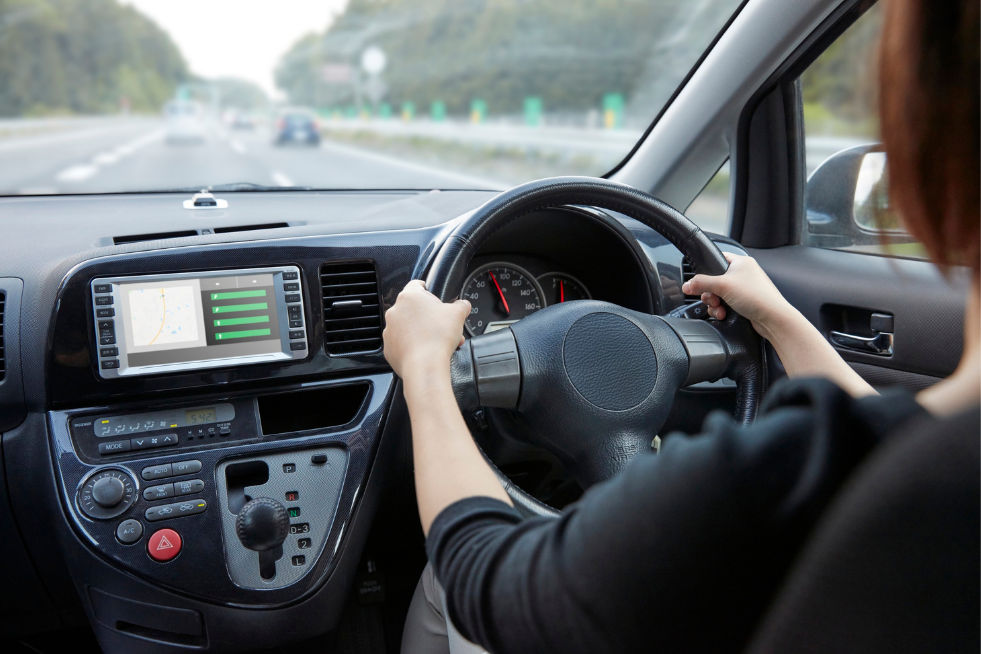
Regular car maintenance, smoother driving habits and staying on top of servicing can all help reduce car running costs over time.
This depends on your vehicle and mileage, but regular car servicing is important for spotting issues early and keeping your car safe and reliable.
A simple vehicle maintenance checklist should include tyre pressure, oil and fluid levels, lights, windscreen condition and wipers.
Yes. Smoother acceleration, avoiding unnecessary idling and maintaining steady speeds can all improve fuel efficiency and reduce fuel use.
If you rely on your car day to day, breakdown cover can provide reassurance and help reduce disruption if something goes wrong unexpectedly.
Correct tyre pressure can improve fuel efficiency, reduce tyre wear and help keep your vehicle safe to drive.
This article is for informational purposes only and does not constitute financial or insurance advice.