
There’s nothing quite like annual leave. The countdown, the planning, that first morning when your alarm doesn’t go off. But if you work shifts, making the most of it can take a bit more thought. It’s easy to fill your days catching up with everyone and running errands you’ve been putting off for months, while also trying to get some much-needed rest.
When you’ve been working irregular hours, your body needs longer to recover. Luckily, there are some proven techniques that can help you wind down without making extensive travel plans. Of course, if you want to jet off for a fortnight abroad lounging in the sun, don’t let us stop you. But if you plan your time carefully, you might find you get a lot of the benefits without the expense and hassle of regular trips overseas.

If you have managed to wangle a bit of time off, don’t even count the first day as part of the holiday. The chances are your body is still trying to catch up, and if you do too much too soon, you’ll just end up even more tired. The science backs up what you will already know – that sleep, light exposure and gradual adjustment can help reset your body clock after demanding rotas. And the key thing is to make sure you allow time for that to happen.
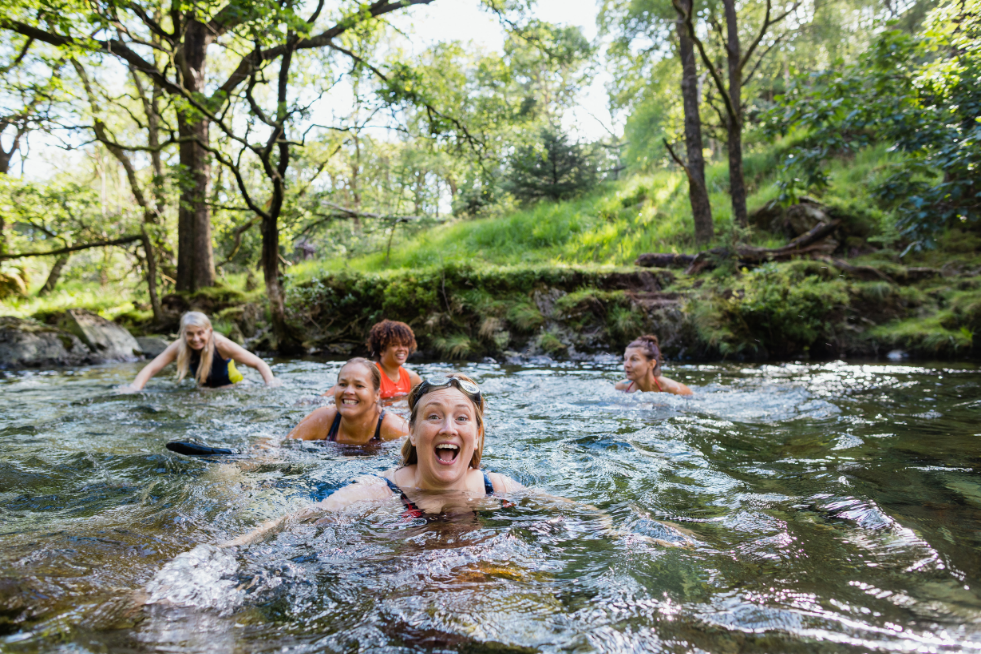
The best plan of action for that first day is to ease yourself into your holiday. Have a lie-in, if you possibly can. Don’t set an alarm unless you genuinely have to. Get some fresh air in the morning light, go for a gentle walk or swim and read a book (not your phone!).
We’ve all been there. Work is such a big part of your life that it’s easy to overthink what’s happening in your absence. Maybe you’re worried about letting people down or just don’t feel like you can let a tricky problem rest. But allowing work issues to live rent-free in your head isn’t doing your brain any favours.
Research from the University of Mannheim has repeatedly shown that one of the best ways to feel refreshed during time off is to psychologically detach from work. Try to compartmentalise those thoughts and embrace all the other stuff that makes you who you are, instead.
In practice, this can be resisting the temptation to send a ‘quick’ answer to work messages. Instead, come up with some fun ways to spend your time. What did you love before work took over? Cook up a storm in the kitchen, try your hand at learning a few guitar chords or build a LEGO set with your kids (or on your own!). It’s just got to be different enough to your usual worries that it gives your brain a proper holiday, too.
It’s also important to remind yourself that you deserve this break. Day in, day out, you give something back to your community, so it’s vital to take time for yourself and your own wellbeing as well.
The best memories are often the unplanned ones – a solo trip to a café, the kids dragging you to the river for a game of pooh sticks or a spontaneous drive somewhere you’ve never been. If you have a few busy days already pencilled in, block one day out with no plans at all. Trust us on this one. It might feel a bit weird at first, but if having an unplanned day feels a bit out of the ordinary, you probably need it.
The latest evidence on holidays suggests that wellbeing improves most when people don’t try to optimise every minute of their leave. So put a big line through one day in your calendar and just see where life takes you.
If you can’t spare that much time, just leave a meal unplanned. Wander around your area and find somewhere new to eat or grab a picnic and sit in your local park. Holidays are memorable because of the things we didn't schedule; bring some of that spontaneity to your days off.
There are some hidden advantages to the patterns of shift work. If you combine your annual leave with your scheduled rest days, it’s sometimes possible to get a longer stretch of time off. It’s also wise to check what your first shift back looks like before you book a holiday. Coming back to work with three night shifts in a row can be brutal after a week of relaxing. Try to make the most of any flexibility you have, and by doing a little annual leave planning, you can make your rota work so much harder.

Annual leave ideas don’t have to include weighing a 20kg suitcase and a 3am taxi journey to the airport. You don’t even need to go away overnight to visit somewhere you’ve never been.
There might be a beach, woods, National Park or an interesting view you can reach by train. An independent shop or café you’ve always walked past but never been in. Play mini golf, hire a pedalo, visit a free exhibition or just take a pad and pen outside and sketch something. That place you’ve only ever got a glimpse of from a car window? Today’s a good day to actually go there.
New experiences help us slow down and pay more attention to what's around us. When you’re not running on autopilot, life feels so much richer, and you get a lot more value out of each day.
Blue Light Card members get discounts on a range of days out and attractions. It’s worth checking what’s on offer near you before you decide.
Sometimes it’s a good idea to save up every annual leave day for one big summer holiday. But if your rota allows it, spreading leave throughout the year can be a really good idea, too. A long weekend makes it easier to say ‘yes’ when friends suggest meeting up. With a few extra days in the bank, you’ll be able to devote time to mini breaks and get-togethers.
Researchers have found that regular recovery days can be more effective than a single ‘blow-out’ summer holiday in helping to maintain wellbeing.
Whether you’re booking a spontaneous overnight stay, sorting travel plans, heading to the cinema or finally trying that restaurant you’ve had saved for months, check Blue Light Card before you spend anything. Members get access to a wide range of leisure and retail partners, so your days off go a little further.

Wherever your days off take you, it’s important to make sure you spend a bit of time outdoors. Research shows that nature is associated with improved mood and wellbeing. It doesn’t even have to be a big strenuous adventure. Walk to a local park, sit in your back garden on a warm evening or wander to a nearby pub. Even a very simple change in surroundings can be enough to gently improve your state of mind.
If you have caring responsibilities of any sort, it's easy to spend your holiday looking after everyone else, with your own recovery quickly slipping down the priority list. Family time is obviously important. But that saying about putting your oxygen mask on first is popular for a reason: you can’t help others if you’re too busy gasping for air yourself.
Carve out an hour or two and do something you really love. Go swimming, catch up on an interesting book or podcast, drive to the countryside and take some photos, or just do absolutely nothing. Whatever you decide to do, make that time non-negotiable.
When you get towards the end of your annual leave, gear back up gradually. Get little things sorted as early as you can, so that last day doesn’t feel like a horrible rush, and you can still enjoy some downtime right up to the last minute. Sort out your clothes a couple of days before and plan any meals you can. With the practical stuff ticked off, you can power down for an early night. With a bit of luck, your first shift back will go a bit more smoothly, and you won’t return to work feeling flustered.
Start by allowing yourself time to recover after a demanding set of shifts or a night shift. Mix rest with enjoyable activities, avoid overfilling your diary and plan your leave around your rota where possible.
Many people find annual leave feels more restorative if it starts after they've had time to recover from a run of night shifts, rather than jumping straight into a busy holiday schedule. Research suggests recovery after shift work depends heavily on sleep and circadian adjustment.
For many shift workers, several shorter breaks can be just as beneficial as one long holiday. Regular opportunities to recover may help maintain wellbeing across the year.
If you're constantly thinking about work, tackling household jobs or rushing between commitments, your brain may never properly switch off. Occupational psychology research calls this ‘psychological detachment’, and it's closely linked to feeling genuinely recovered.
Before booking travel, attractions, restaurants or holiday essentials, check Blue Light Card for the latest offers. Members can access savings with a wide range of leisure and travel partners.