
Blue Light Card has commercial relationships with some of the services mentioned in this article and may earn a commission if you choose an eligible card through the comparison service, at no extra cost to you.
Have you ever wondered what your credit score might be? If so, you're probably familiar with the unnerving feeling that comes with it. A credit score can sometimes feel like a number that's keeping tabs on your financial life, even if you're not entirely sure how it works or whether it's judging you fairly.
It's really no wonder they've developed something of a mythical reputation. They can influence everything from loan and mortgage applications to car finance and even some mobile phone contracts. Yet they're surrounded by enough misconceptions to make them feel far more mysterious than they ought to be.
Yes, your credit score can affect quite a few of your financial decisions. But contrary to popular belief, improving it isn't about finding a secret trick or paying someone to ‘repair’ it overnight.
Here, we'll separate fact from fiction, explain what a credit score actually is and look at what really makes a difference.
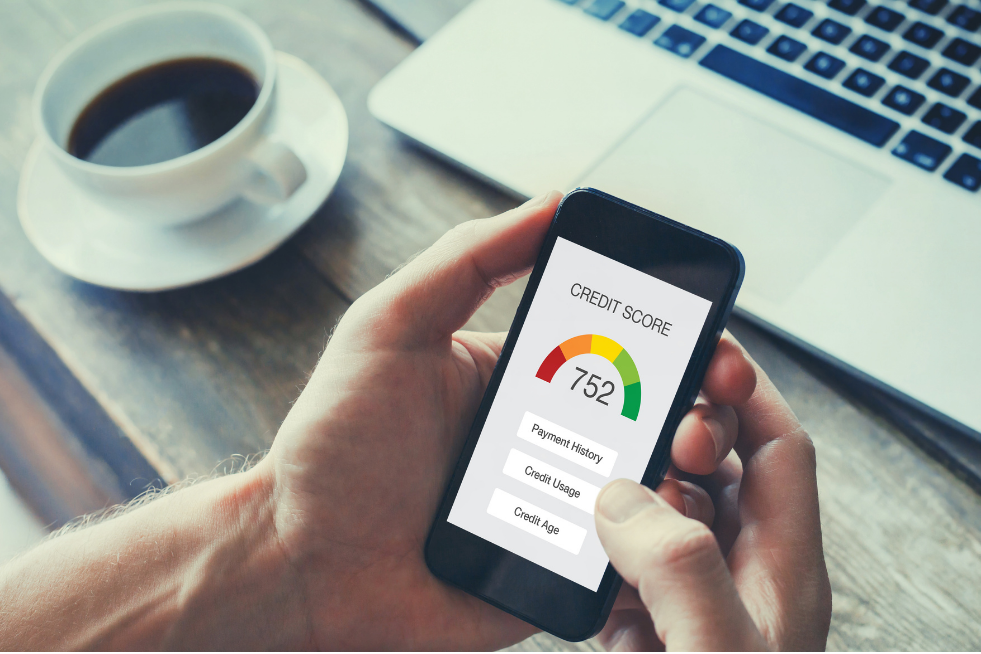
If you've ever looked up your credit score, you'll probably have been presented with a number and not much else. Worries start swirling around your brain: is 620 good? Is 850 bad? Why does it matter?
In simple terms, think of a credit score as a summary of how you've managed things like loans and credit cards over the years. Credit reference agencies use that information to calculate your score as a single number.
An important point worth knowing is that there isn't one universal credit score. Different credit reference agencies use different scoring systems, so it's perfectly normal to have different scores depending on where you look.
So, when you apply for credit, lenders might use your score as one way of assessing risk. In other words, it helps build a picture of how likely you are to keep up with repayments. If you’re someone with a history of making payments on time and managing credit responsibly, then you’re likely to have a stronger score than someone who's regularly missed payments. Equally, someone who's never used credit at all may have a less established credit history, simply because there's less information for lenders to assess.
But don’t worry, it's only one piece of the puzzle. When deciding whether to lend, providers will often consider other factors too, including your income, outgoings and their own lending criteria.
We all know that having a good credit score matters. But why? How does a number end up playing such an important role whenever you apply to borrow money?
Lenders often look at your credit score when deciding whether to offer you products such as mortgages, loans and credit cards. It also comes into play when applying for car finance or some mobile phone contracts.
But that doesn't mean a good credit score guarantees you'll be accepted, or that a lower score automatically rules you out. As highlighted in the above section, lenders usually consider other factors too.
If you've ever thought about checking your credit score, there's a good chance you've hesitated, worried that simply looking it up might damage it. If so, you're not alone. It's one of the most common myths surrounding credit scores.
But the good news is that checking your own credit score won't lower it. When you use a credit reference agency or eligibility checker, this is usually recorded as a ‘soft search’, which is only visible to you and doesn't affect your score.
Things are different when you formally apply for credit. At that point, a lender may carry out a ‘hard search’, which becomes part of your credit history. One hard search isn't usually a problem, but making several applications in a short space of time can make lenders think you're relying heavily on credit.
So, if you're curious about your score, go ahead and check it. In fact, keeping an eye on your credit report from time to time is a sensible way to spot mistakes or unexpected activity. If you find a Cifas marker or anything unexpected on your credit report, contact the relevant credit reference agency to find out more. If you believe you’ve been a victim of fraud, report it to Report Fraud (or Police Scotland if you’re in Scotland) and inform your bank.
Clare Seal, a financial coach, was asked about the biggest myth surrounding credit scores:
“One of the biggest myths I still hear about credit scores is that it goes down if you check it! This drives me crazy, because it really encourages people to avoid facing their credit report head-on and taking positive action to improve it. You can check your credit report as many times as you like without affecting your score – things that will often make it go down are: applying for credit (whether you are approved or not), missing a payment or maxing out your limit.”
Scroll down to find out how to check your credit score, as well as a checklist guide to improving it.

If lenders want to know you can borrow responsibly, then surely you have to borrow something first. Sounds sensible, doesn’t it? However, the reality is a little more nuanced.
Using credit responsibly can help build a positive credit history, but that doesn't mean you should take on debt simply for the sake of improving your score. The key is showing that you can manage any credit you do have. And that’s easily done by making payments on time and keeping borrowing under control.
For those with little or no credit history, a credit builder credit card can sometimes help. They are specially designed for people who are looking to establish or rebuild their credit history. They often come with lower credit limits and higher interest rates than standard credit cards. However, the interest rate will only apply if you don’t pay off the balance in full each month.
The important thing is how you use them. The key is spending only what you can comfortably afford to repay and then paying the balance in full each month. This way you demonstrate responsible borrowing while avoiding interest charges.
Who doesn't love the idea of a quick fix? It's the dream scenario. Press a button, tick a box, and suddenly you're ready to apply for that mortgage, loan or credit card. Unfortunately, credit scores don't usually work that way.
Improving your credit score is more like building a good reputation than just flicking a switch. It comes about when you consistently make payments on time, manage credit responsibly and avoid unnecessary applications over a period of months rather than days.
If you correct a serious error on your credit report, it can have a significant and relatively quick impact. Registering to vote, on the other hand, is worth doing but has a more marginal and indirect effect. Ultimately, most improvements come from developing good financial habits and sticking with them over time.
If you're offered services promising to ‘repair’ your credit score almost instantly, it's worth approaching them with a healthy dose of scepticism. There are very few shortcuts when it comes to building a strong credit history.
Paying off a loan or credit card balance is undoubtedly a positive step. But don’t expect such impressive feats to make your credit score leap up overnight.
Broadly speaking, credit scores tend to reflect your financial behaviour over time rather than one-off events. A solid history of making payments on time and managing credit responsibly is generally more important than any single repayment.
And that's also why it's important to think about how you use the credit available to you. Regularly using a large proportion of your credit limit – known as credit utilisation – can sometimes count against you, even if you always make your payments on time. And keeping your borrowing at a sensible level relative to your available credit – rather than regularly maxing out a credit card – may be viewed more positively by lenders.

You can check your credit score through the UK's main credit reference agencies, including Experian, Equifax and TransUnion. Some banking and financial apps also let customers view their score for free as part of the accounts they offer. Don't worry if the numbers don't match exactly – each agency uses its own scoring system. What's more important is understanding the information behind your score and looking for any errors or areas you could improve.
And if you're keeping an eye on your score over time, it might be simpler to use the same service each time you check. That way you'll get a better sense of whether your score is improving, rather than trying to compare numbers calculated using different systems.
Under UK law, everyone is entitled to a free statutory credit report from each credit reference agency. If you want to see your full report and spot any errors that might be present, it’s worth looking into this as well. Please note that a statutory credit report usually shows your full credit history, but it may not include your credit score or additional features offered through paid or free credit monitoring services.
Used responsibly, a credit card can help you build a positive credit history over time. If you're comparing your options, Blue Light Card's credit card comparison service helps you compare a range of credit cards in one place. If you go on to choose an eligible card through the service, you'll also receive a £10 voucher. Representative 24.9% APR (variable). T&Cs and exclusions apply.
No. Checking your own credit score is usually recorded as a soft search, which only you can see and doesn't affect your score. You can check your credit score through the UK's main credit reference agencies, including Experian, Equifax and TransUnion. Many banking and financial apps also let customers view their score for free.
There's no fixed timescale. Some changes, such as correcting an error on your credit report, can have a relatively quick impact. However, most improvements come from consistently managing credit responsibly over several months.
A credit builder credit card is designed for people with little or no credit history, or those looking to rebuild it. Used responsibly and repaid in full where possible, it can help demonstrate good borrowing habits over time.
Different credit reference agencies use different scoring systems, so it's perfectly normal to have different scores depending on where you check. Lenders also use their own criteria when deciding whether to offer credit.
There's no instant fix, but registering to vote, paying bills on time, checking your credit report for errors, keeping borrowing under control and avoiding multiple credit applications in a short period can all help over time.
This article is for informational purposes only and does not constitute financial advice.
Blue Light Card Ltd is an Introducer Appointed Representative of Creditec Limited. Blue Light Card Ltd is registered in England and Wales (company number 06581540, FRN 595838), with a registered office located at Charnwood Edge Business Park, Syston Road, Cossington, Leicester, LE7 4UZ.
Blue Light Card Ltd will receive a commission from Creditec Limited if you subsequently open a bank account or purchase a credit card product through Creditec Limited's service as a credit broker. For more information on Blue Light Card Ltd's regulatory status, please click here.
Creditec Limited will provide you with an information-only comparison service for credit & banking products from a range of providers. We are acting as a credit broker, not a lender, and we will not charge you a fee for using our services.
Creditec Limited is registered in England and Wales under company number 13700425; registered office: The Steam Mill Business Centre, Steam Mill Street, Chester, United Kingdom, CH3 5AN FRN. 971164. ICO registration number: ZB288703. We are authorised and regulated by the Financial Conduct Authority (FRN: 971164).