
If you were asked to picture someone who’s retired, chances are those age-old clichés and stereotypes would spring to mind: fluffy slippers, daytime TV (we’re thinking Downton Abbey or Antiques Roadshow), three trips to the garden centre in one week and a bowl of Werther's Originals on the coffee table.
The reality, though, is quite different. No commitments, no working to someone else’s timeframes and the entire day to use as you please.
We asked Blue Light Card members to set the record straight on what life after frontline work actually looks like – the surprises, the misconceptions and everything in between.

That’s David, a former police officer, and he’s far from alone in saying it. Across the board, many retired Blue Light Card members admit something along the same lines. Turns out, life doesn’t slow down just because work does!
Lee, who took early retirement from the NHS four years ago, discovered this fairly quickly:
“My wife said I needed a new hobby. Took up motorcycle race marshalling. Means weekends away in the campervan. I am fitter than I have been for decades with swimming, aquacise, leading a wellbeing walk and dogs getting longer walks. I am sure I had more spare time to relax doing nothing when I was working.”
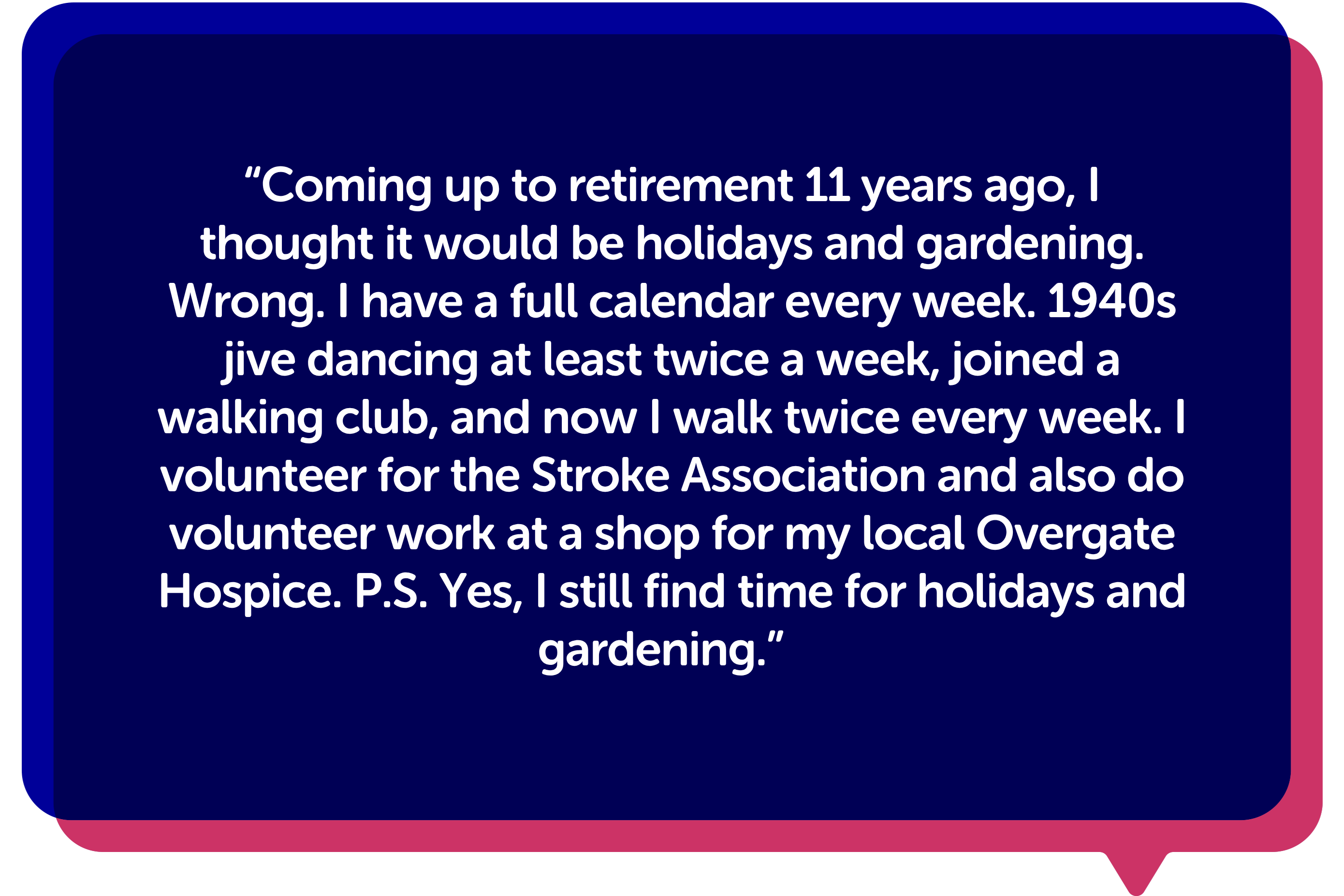
Teresa, also an NHS worker, has a jam-packed schedule:
Jim, meanwhile, has joined a men’s shed community group with a friend and plays in a ukulele band that performs weekly in nursing homes, day centres and at other social events. His advice cuts straight to it:
“In retirement, you have to find what you enjoy doing separate from your former job and experiment with those pastimes. You have to ignore your previous status, ignore what you think you should be doing, and take pleasure in the little things in life.”
Elizabeth, retired from education, sums it up perfectly:
“I literally don’t know how I had time to work now that retirement has kicked in. I am walking more, have joined the gym. I use the fitness suite twice a week with aqua aerobics two or three times a week. I meet up with friends and family more, and my house is definitely cleaner.”

Nobody quite prepares you for the small stuff. Not the big life-changing moments, but the funny little details that catch you off guard.
Dick, who retired from the Ministry of Defence, discovered early on:
“The biggest surprise to me about retirement has been the need to visit the supermarket four times a week instead of the weekend shop we used to do when I worked. My wife tells me it means we are eating fresher food!”
And Philip, who retired from the Ministry of Defence, perhaps put it most succinctly of all:
“Thank God for my bus pass and Netflix.”
For others, the surprises have been less about specific moments and more about the whole shape of life after work.
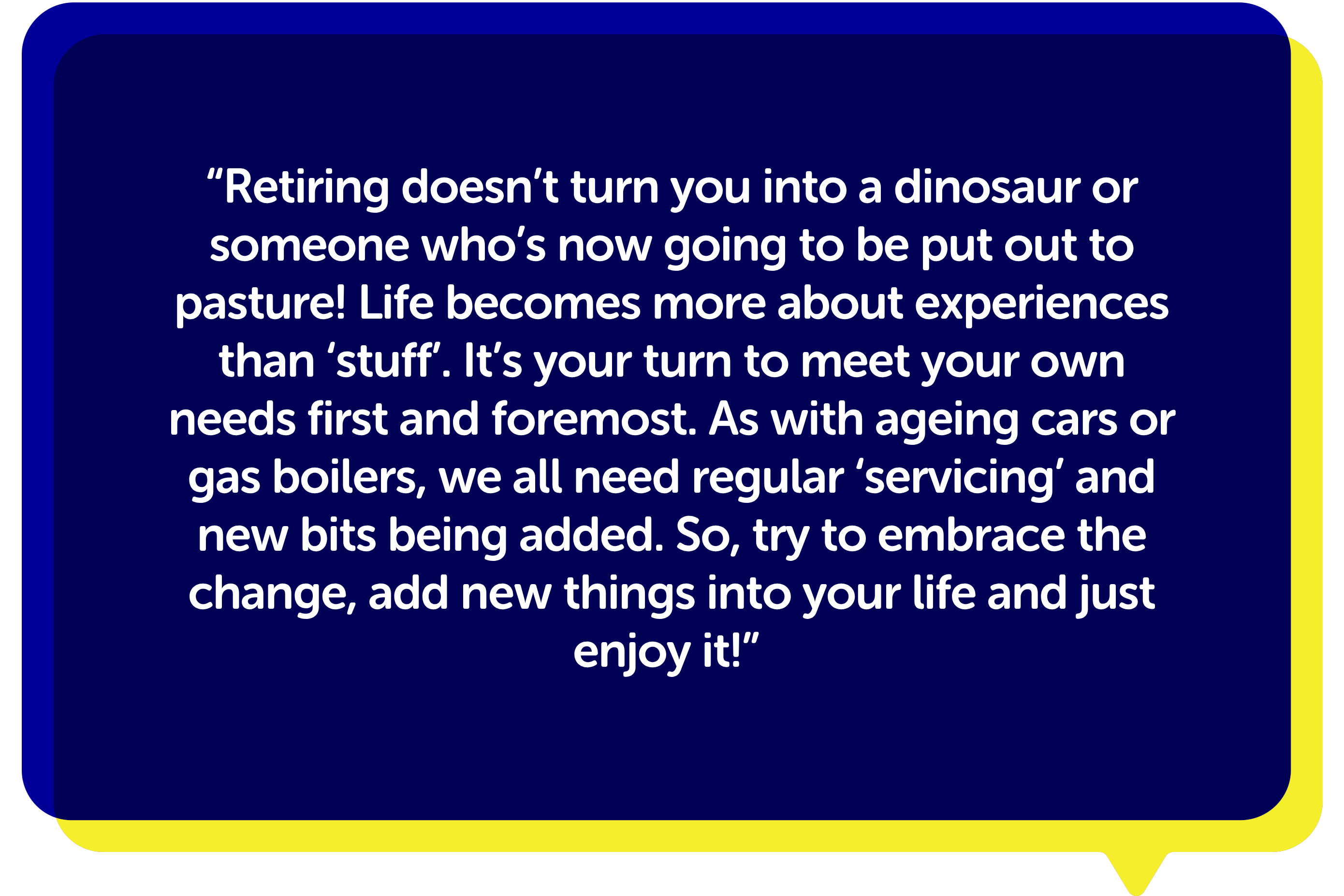
Wendy, who worked for the police, said:
Paul, from the ambulance service, went from 37 years of shifts to something he didn’t see coming:
“Since retiring, I’ve gone from working all the shifts we know too well, to becoming a house husband, who has also just become a grandfather. So now my time is once again no longer my time, but in a good way.”
Kevin, a retired police officer of 12 years, has a simpler philosophy:
“Loving every single minute of it. There are no surprises, just accept that you are only answerable to your wife.”
Sue, who worked for the ambulance service, was given the perfect send-off:
“Retirement is great. I get to choose what I do and when. When I left work, a colleague bought me a plaque. It said, ‘hello pension, goodbye tension.’ So right. Life’s great!”
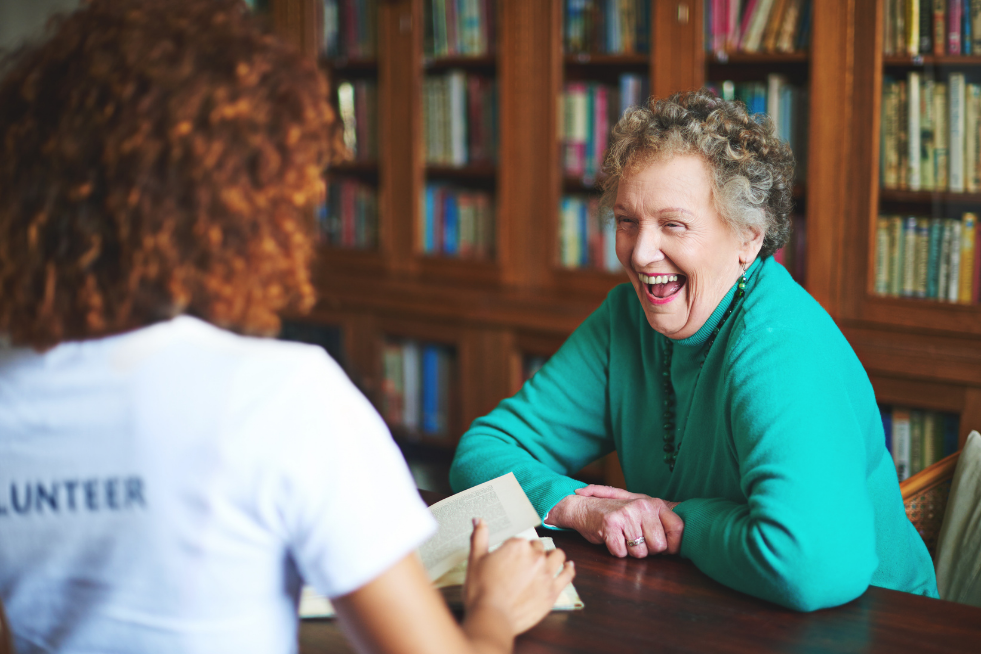
Here’s something that came up again and again: people who spent their careers showing up for others haven’t really stopped. They’ve just changed the way they do it.
Marc, who worked in social care, decided to give volunteering a go:
“Nothing ventured, nothing gained, as they say. I have never looked back, as volunteering is so rewarding and enjoyable. Never a dull moment; lots of interesting people, moments, exciting conversations, assisting people, fundraising, and every occasion is different. If everyone could give a few hours a week to the NHS, what a wonderful world it would be.”
Chris, who now volunteers with a Blood Bikes group, had one of the more unexpected starts to retirement:
“On the day of my retirement, I received a call from my local hospital requesting me to attend a pre-assessment, with a view to having a pacemaker inserted the same week. It’s been five and a half years since then, and I haven’t looked back. I started volunteering with the local Blood Bike group, getting involved in fundraising, riding and working as a controller – and have celebrated five years of service with them.”
Katuma, who worked in social care, shows that for some, the instinct to keep giving back comes naturally:
“Adapting to retirement was easy for me because my identity was not tied to my job title. I volunteer, I foster a child, I planned for classes and courses I never had time for while working. I truly believe that attitude helps.”
Paul, who retired from the Ministry of Defence, said:
“I joined Rotary. Instead of having to manage a work-life balance, it then becomes a matter of managing a volunteering-life balance.”
Stephen, who also worked for the NHS, took a different outlook on volunteering and offers a word of caution for anyone eyeing it up:
“Best advice: plan your retirement and don’t volunteer too quickly until you know what retirement looks like. You will be surprised by how little time you have if you indulge family and your hobbies.”
Retirement isn’t always easy. For some, especially those who’ve spent decades inside the structure of a frontline career, the adjustment can be harder than expected.
It isn’t a one-size-fits-all experience, and going in with your eyes wide open is probably the most useful thing anyone can do.
Just because you aren’t on the payroll of a frontline service anymore, it doesn’t mean the perks stop. Retired workers with at least four years of service in eligible professions can get (and keep) a Blue Light Card. And with over 15,000 retailers to save with, there’s plenty to make the most of when you become a member.
Are you looking to book a holiday, spruce up your garden or finally renovate the spare room? Whatever retirement looks like for you, your Blue Light Card can help you enjoy it for less. If you haven’t already, sign up today.
Already a member and know another retiree who might be eligible? Refer a friend to Blue Light Card so they can enjoy well-deserved rewards and discounts, just like you do.
Retired frontline workers with at least four years of service from NHS, Social Care, Teaching, Police, Fire, Armed Forces and other eligible groups can sign up to Blue Light Card.
From groceries and homeware to fashion, dining out, gifts and holidays, there are plenty of discounts available through Blue Light Card to make life after shifts cost that little bit less.