
Blue Light Card has commercial relationships with some providers mentioned in this article and may earn a commission if you take out a product through our links, at no extra cost to you.
Your current broadband contract has had a good run. It’s seen you through back-to-back video calls, helped you down countless internet rabbit holes and kept the streaming going on those lazy Sunday afternoons when leaving the sofa felt like a distant dream. But all good things come to an end.
Maybe you’re moving house, have reached the end of your contract, or the deal you have is simply no longer cutting it. Thankfully, finding a new broadband deal is fairly easy. At its simplest, it’s just another product you need to pick off the shelf – just one with a baffling array of speeds, fibre types and contract terms.
To make things easier, here’s our comprehensive guide to switching broadband to help demystify the process so you can find a deal that works best for you.

This is the million-dollar question. Like any other utility bill, broadband is easy to forget about. The money comes out of your account each month and you don’t really have to think about it. But that’s also how you end up paying over the odds for something that stopped working for you ages ago.
So, before we get onto how to switch, here are some signs that it might be time to start looking around.
Coming to the end of your contract is the most natural time to switch – or at least have a look around. Once your minimum contract period has ended, you’re generally free to switch without paying an early termination charge.
Your provider is required to let you know when your contract is coming to an end, giving you time to look around for a better deal. You should receive notification at least 10 days before the contract ends, including details of what you will pay if you renew, along with the best deals they have available.
If you do nothing, your broadband may continue on a rolling basis, potentially at a higher price. But you’re not locked in again: you can still switch when you find something better.
Top tip: if you’re working shifts or irregular hours, it’s easy to miss the notification. It’s worth setting a reminder when you first sign up, so you’re ready to shop around when the time comes.
If your broadband connection is simply not up to speed with slow downloads and endless buffering, that’s a pretty good reason to start looking around. If the speed of the connection reaching your router regularly falls below the minimum speed guaranteed when you first signed up, you might be able to jump ship without paying an early termination fee.
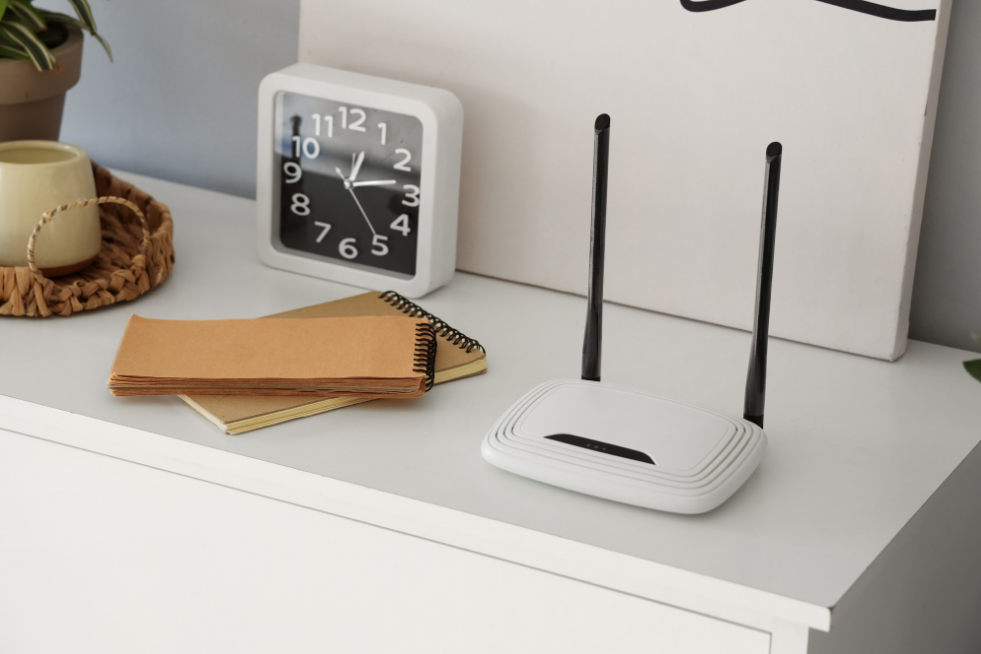
Before you start shopping around, though, make sure your broadband is definitely the problem. Poor Wi-Fi coverage around your home can make a perfectly good broadband connection seem slow. To check, connect a laptop directly to your router with an Ethernet cable and run a speed test. This takes Wi-Fi out of the equation and gives you a much better idea of the speed actually reaching your router.
Moving home is the perfect excuse to see what else is available in your new area. Your current provider might not offer the same service or speeds at your new address, or may not serve it at all, while another provider could offer a faster or better-value deal.
If you’re still within your minimum contract term, though, check the small print before making the leap. You could face an early termination charge if you decide to switch – and, depending on your provider’s terms, that can sometimes apply even if they can’t provide the same service at your new address.
Life moves fast. Maybe your shift pattern has changed, and suddenly there are more devices competing for bandwidth at home. Or the kids have got into gaming, and your current connection is starting to feel the strain.
But it can work the other way too. If fewer people are living at home or you’re not online as heavily as you once were, you could be paying for speeds you simply don’t need. Either way, a change in circumstances is a good reason to reassess what you’re getting for your money.
There are more broadband products on the market than ever, and the terminology can seem baffling, especially if you’ve been sitting on the same contract for several years and are only now starting to shop around.
So, before you start comparing deals, here’s a quick guide to some of the terms you’ll come across and what they actually mean.
Mbps stands for megabits per second. It’s simply a measure of how quickly data can travel over your broadband connection. The higher the number, the more data your connection can handle each second.
So, a 500Mbps connection can handle much more data at one time than, say, a 50Mbps connection. If you come home after a long shift and just want to switch off with a film or a game, the last thing you need is a connection that can’t keep up.
It all depends on how many people are online at the same time and what they’re doing. A household where people are working from home, streaming and gaming simultaneously needs a lot more capacity than someone watching a smart TV on their own.
As a rough guide, 30–50Mbps should be enough for many smaller households doing everyday things. If several people regularly stream in 4K, game online or make video calls at the same time, 100Mbps or more gives you considerably more breathing room. Very fast packages of 500Mbps or even 1Gbps can be useful in particularly busy households, but plenty of people simply won’t need that much speed.
If you see a package for ‘fibre’ broadband, this doesn’t necessarily mean it’s full fibre. It could indicate part fibre, which uses fibre-optic cables as far as a cabinet in your local area, with the final stretch to your home usually travelling over the old copper telephone network.
Full fibre uses a fibre-optic cable all the way to your home and is capable of much faster speeds and, in general, a more reliable connection. It can be particularly useful for busy households where several people are using broadband at the same time.
Speed isn’t everything. It matters, but it’s not the only thing worth checking before you sign up.

Comparison websites do most of the hard work for you. Enter your postcode, and you’ll see which providers and packages are available at your address. From there you can compare speed, fibre type, contract length and price side by side.
It’s also worth checking providers’ websites directly, as you might find different deals or incentives. Just make sure you’re comparing the overall cost and contract terms, rather than being swayed by an introductory price or tempting freebie.
As a Blue Light Card member, you can use our comparison service (powered by Broadband Genie) to compare deals from providers including Sky, BT, Vodafone, Virgin Media and EE. If you use the comparison service and switch provider through a listed deal, you’ll get a voucher from us.* Some providers also add their own switching incentive on top, such as a voucher, bill credit or reward card. Just check the latest offer before you commit, as rewards and participating deals can change.
Before you switch, it can be worth giving your current provider a quick call. Tell them you’re thinking about leaving and explain what you’ve found elsewhere, the more details the better. They might be able to offer you a better price, a faster package or another incentive to keep you.
Do your homework before picking up the phone, though. Having a couple of competing deals to hand gives you something concrete to compare their offer against. And don’t be afraid to ask whether that really is the best deal they can offer you.
Just remember to compare like for like. A tempting offer might also come with a longer contract, different speeds or future price rises.
Changing providers can feel like a chore. So, if you’re the kind of person who normally puts these things off, here's something that might change your mind. One Touch Switch, introduced in 2024, has made the process much simpler.
In most cases, you only need to contact the new provider you want to join. Give them your details and they’ll manage the switch, including arranging for your old service to end. Your current provider will also send you information about anything you need to know before going ahead, such as early termination charges or equipment that needs to be returned.
If you’re moving to a different broadband network, you might need new equipment or an engineer visit, but your new provider should explain what’s required and arrange the switch with you.
Yes, but you might have to pay an early termination charge if you’re still within your minimum contract period. Check your account or contact your provider to find out when your minimum term ends and whether any charges apply. Under One Touch Switch, your existing provider must tell you about any charges before the switch goes ahead.
Usually not. Under One Touch Switch, you contact the new provider, and they arrange the switch with your existing provider. Once your new service is working, your old service should be stopped automatically.
It depends on how your household uses the internet. Browsing and occasional streaming require much less bandwidth than a busy household where several people are gaming, streaming in 4K, working from home and making video calls at the same time. Think about how many things are happening online simultaneously, rather than simply how many people live in your home.
In some cases, yes. Many major providers are signed up to Ofcom’s Broadband Speeds Code of Practice. If the speed reaching your router falls below your guaranteed minimum and the problem is on the provider’s network, they have 30 days to fix it. If they can’t, you should be allowed to leave without an early termination charge.
* Offer applies to new customers switching broadband providers through any deal listed on Broadband Genie. You must not have been a customer of the chosen provider within the last 24 months. Only online purchases made via Broadband Genie qualify (sales completed by phone, web chat, or other channels are excluded). Rewards include free bill credit, vouchers and reward cards. Gift Card options include: Amazon.co.uk Gift Card, Tesco, M&S, Sainsbury's, ASDA, Curry's, and John Lewis. Gift cards are issued approximately 120 days after broadband installation, once the sale is approved and commission received from the provider.