
Fitting fitness around shift work takes a bit of creativity – but it’s absolutely doable, and it might even be doing you more good than you think. When you’re juggling anti-social hours or a schedule that changes week to week, a gym membership can feel a bit of a stretch.
The good news is you can improve your fitness by building exercise around what you're already doing. A quick walk before work, some light stretching after a shift or even an hour in the garden all count. The aim isn't to carve out huge chunks of time; it's to make movement a regular part of your week.
Not only is it possible to fit exercise around shifts, but it may even be more beneficial for people who work irregular hours than those doing the 9-to-5. A systematic review of exercise in shift workers found that staying active improved sleep quality and alertness.
Shift work can sometimes feel like your week has been turned upside down, playing havoc with your work-life balance. Given that you might be sleeping and eating at different times from week to week, your energy will vary. Any time off you have tends to be filled with errands or social commitments – as well as just catching up on rest.
You’re also fighting your natural body clock. We’re not nocturnal animals. Shift work brings all the jet lag of changing time zones, with none of the benefits of the holiday. No sun loungers and no all-inclusive buffet. Just a 3am handover and a drive home in the dark.
Fitness doesn’t have to mean a perfect gym routine, though. Your exercise plan should fit around your life, not the other way round.
Here’s the thing: if you don’t have time for a full workout session, short and frequent bursts of activity work just as well as longer sessions.
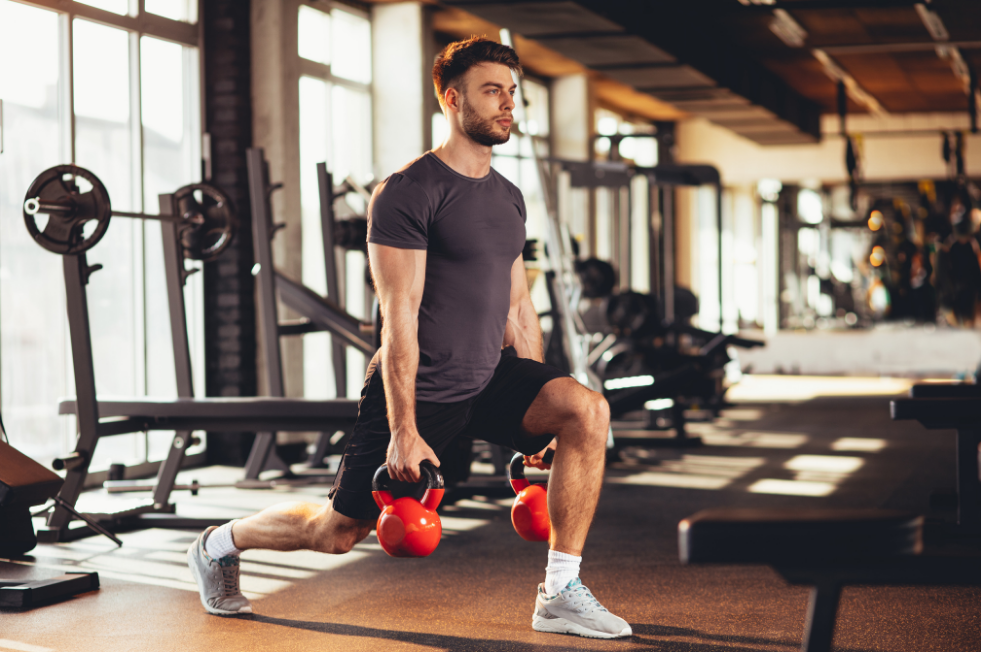
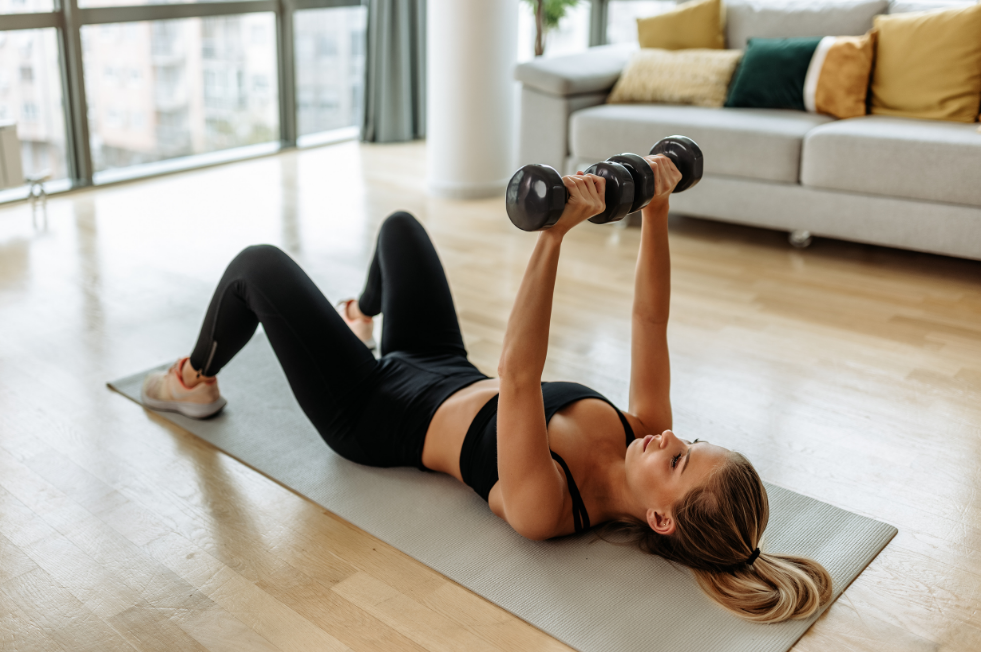
A 20-minute walk, a short bodyweight session at home or a quick bike ride – even things like housework and gardening – count. Some weeks will be better than others, especially at the start. That’s fine – pick it back up when you can.
Or even quicker: does your job allow you to do a few star jumps, or a quick bit of jogging on the spot every few hours? Studies show that spreading one-minute bursts of vigorous activity throughout the day is just as effective as a continuous, 20-minute intense workout.
It’s fine to slowly build up to 150 minutes per week. A study published in the European Heart Journal found that engaging in vigorous activity for just 15 minutes over the course of a week can significantly lower your risk of conditions like heart disease or cancer. Amazingly, you can break those 15 minutes down into shorter sessions, and it still seems to do the job.
Got an early shift? Don’t drag yourself out of bed at pain o’clock to squeeze in a workout. Just plan a gentle walk or stretch after work instead. It might help you decompress from the day.
Late shifts are a good chance to exercise before work, though. See if you can fit in a morning class, swim or quick home workout with a YouTube video. Whatever you enjoy doing.
Getting enough sleep is the biggie, of course. If you’re working in the daytime, studies show that natural daylight immediately after waking up will help you sleep better at night. Sitting outside with your morning coffee can really help your sleep. Now that does sound enjoyable.
Exercising at night can interfere with sleep, which is probably the last thing you need. So, if you're working late, don't get the sweatbands out as soon as you finish. Rest and recovery come first. Three night shifts in a row? Treat that as a recovery block. You can exercise more when your sleep returns to normal.
A bit of science-backed good news: you can just do what you’re already doing but be slightly more active in your choices. As well as the usual things everyone knows about, like getting off the bus one stop early or taking the stairs instead of the lift, there are lots of neat little micro-exercises you can load onto your existing habits.
Think of these as little ‘movement snacks’. They might sound silly, but they work brilliantly. It won’t feel like much at the time, but over the course of a week they soon build up, and since you’re stacking these new habits on things you already do, they’ll be much easier to keep up. There’s a lot of evidence that turning healthy behaviours into habits makes them more likely to stick.
If you do decide to invest in a yoga mat, resistance bands or a pull-up bar, check Blue Light Card first. You might be surprised at the wide range of sport and fitness discounts on offer.
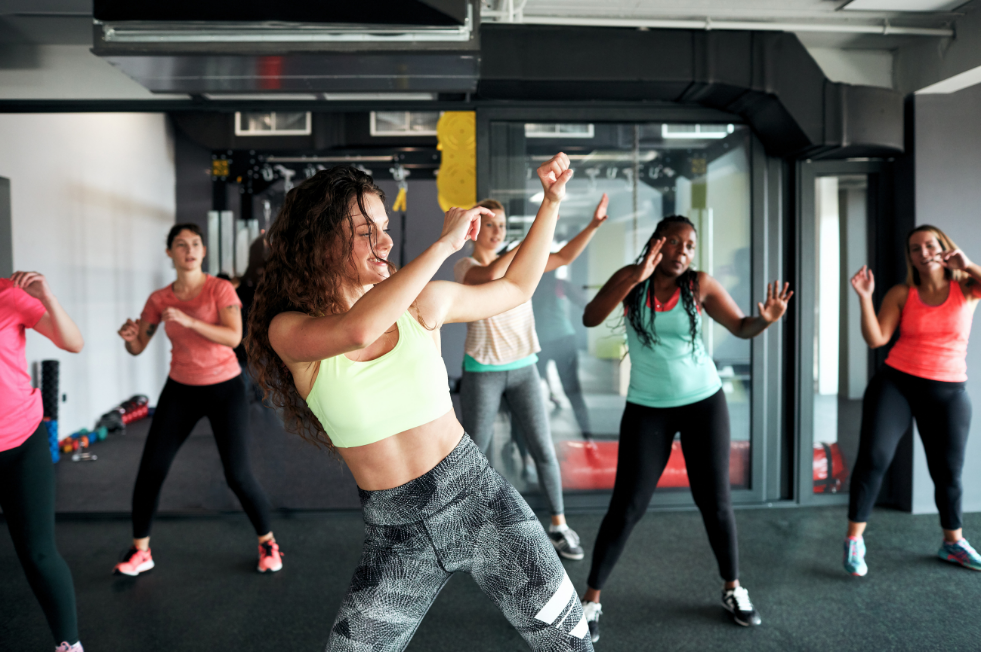
Enjoyment has been shown to be significant in sticking to exercise long-term. It makes sense: the best exercise is whatever you can do most often.
Spend a bit of time seeking out something you genuinely look forward to. That way you’ll find it much easier to keep going, especially when work gets busy. What did you love doing as a kid? It probably wasn’t sitting on a static bike in a stuffy gym. Before anyone called it ‘exercise’, most of us loved to swim, dance or have a kick about on your local field.
Stop thinking about ‘exercise’ and just make a list of activities you love that involve a bit of movement. It could be anything from playing with your children in the park to exploring a new part of your area.
Home workouts remove lots of the barriers that get in the way of exercise. There's no commute, no changing-room queue, no social pressure and no need to fit around opening hours.
There are thousands of free workouts online. Bodyweight exercises are particularly brilliant because you don't need any equipment. A floor, a chair and perhaps a step are enough for dozens of effective exercises.
And no, this isn’t about looking like a fitness influencer (though if that happens, fair enough). These moves are good for your lungs. Research has found that subjects doing simple bodyweight exercises for 10 weeks saw major gains in aerobic capacity – a 33% improvement.
On the days when motivation is nowhere to be found, having a ‘minimum viable workout’ in your back pocket is a game-changer. Try something like:
If after that you still don't fancy carrying on for another 20 minutes, just stop. Five or 10 minutes might really be all you can spare, but make yourself a promise that if you do have time, and you’re enjoying it, you won’t always stop there.
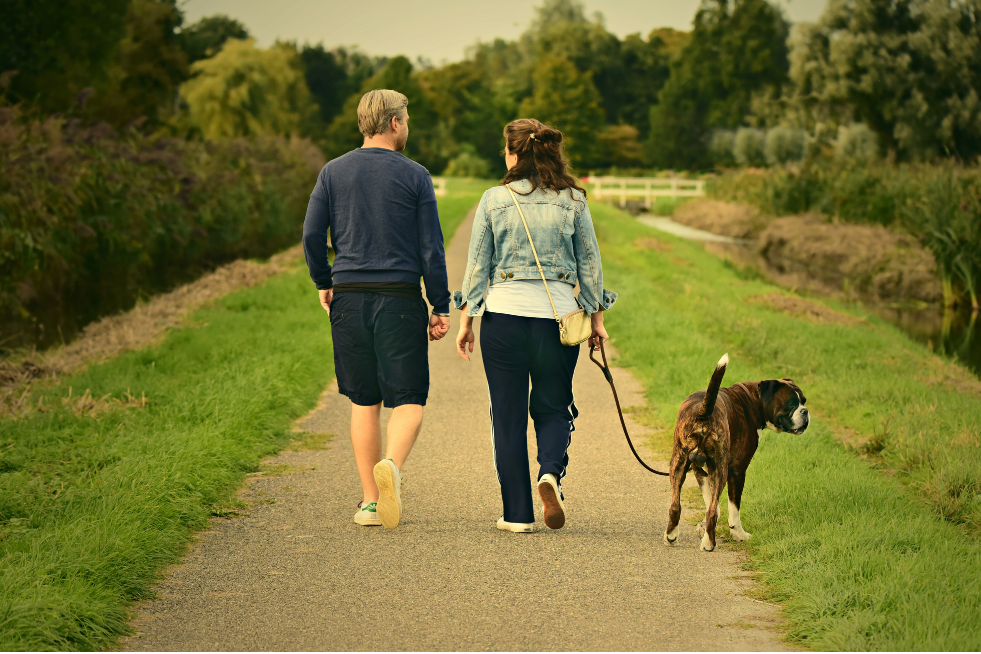
It’s important to give yourself time to properly recover, especially while you’re getting used to a new activity rhythm and using different muscles.
If you’ve just worked several long shifts and you’re wiped out, an intensive exercise week probably isn’t the best idea. Your body is likely to benefit more from rest and a few gentle stretches.
Try to prioritise these:
Looking after yourself isn't slacking off. It’s well-documented that sleep makes you fitter. Honestly one of the best pieces of fitness advice there is, and it involves lying down! Exercising, in turn, improves sleep, as well as alertness, reaction times and short-term memory. So, the two complement each other nicely.
Focus on the slightly bigger picture. If you’re too hard on yourself, a single missed workout will quickly turn into two. Take a breath and zoom out.
One week, two short walks might be all that’s possible. Another week could include a longer walk, a dance round the kitchen and a leisurely swim. Reflect on your activity habits over the course of a week, or even a month. This gives a much fairer picture of the overall trend, rather than obsessing over individual days. You’re looking for consistency rather than perfection.
Staying active doesn’t automatically mean spending hundreds of pounds on equipment.
A comfortable pair of trainers, clothing you can move in and a reusable water bottle are enough to get started for many activities. If you later discover you love cycling, climbing or strength training, you can gradually build your kit over time rather than splashing out on everything before you’ve even started and later realise you don’t enjoy it.
If you're planning to treat yourself to some new sportswear, or you want to kit out the house with fitness equipment, check out Blue Light Card offers as they’ll help you stay active while keeping the cost down.
The best approach is to build exercise around your rota rather than sticking to a fixed timetable. Walking, cycling, home workouts, swimming, yoga and strength training can all fit around early, late or night shifts. Even 10 or 20 minutes of movement can make a difference.
The best workouts are ones that suit both your schedule and your energy levels. Short workouts, active commuting, lunchtime walks and home exercise sessions are all practical ways to stay active when you don't have much free time.
You can, but it's important to listen to your body. If you're exhausted after a night shift, prioritising sleep and recovery may be more beneficial than a hard workout. Many people find exercising after waking up works better.
Walking is a great start. Regular brisk walking contributes towards the UK's recommended physical activity guidelines and is an excellent way to improve fitness, particularly when combined with simple strength exercises.
Blue Light Card members can access savings with a range of sports, fitness and outdoor retailers. Before buying new trainers, gym clothing or fitness equipment, it's worth checking the latest offers to see where you could save.