
Blue Light Card has commercial relationships with brands mentioned in this article and may earn a commission if you purchase products through one of our links, at no extra cost to you.
You’ve finally got a minute to yourself on a night shift, your phone is on 4%, and the public Wi-Fi is right there. You just want to check your bank balance before payday (or maybe treat yourself to something you don’t need). Then you wonder: what is a VPN and should you have one?
You’ve probably seen the adverts and heard one sponsor your favourite podcast. Or you’ve got a friend who fills you in on the latest tech. Here’s the plain version. A VPN adds a layer of protection when your connection is less secure. This guide covers what a VPN does, when it’s worth having one and what to look for.
And if you’re a Blue Light Card member, you can save at a range of VPN and security providers, including NordVPN, Surfshark, Proton VPN, ExpressVPN and McAfee.
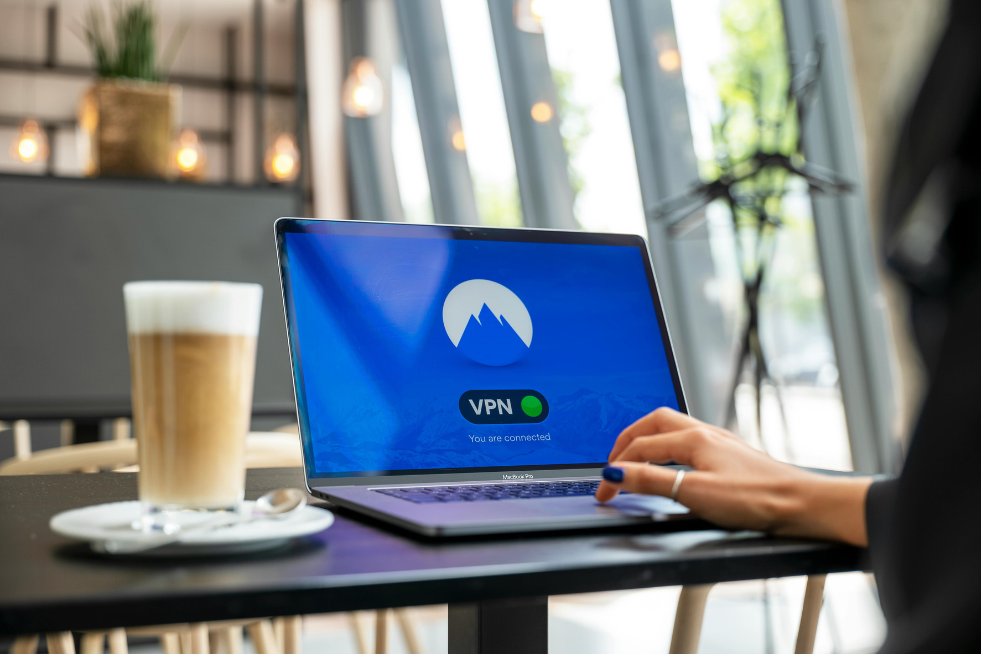
A VPN, or Virtual Private Network, creates a secure connection between your device and the internet.
Normally, when you connect to the internet, your data travels straight from your device to the website or service you’re using. A VPN encrypts that connection first, so it’s much harder for other people on the same network to see what you're doing or intercept your data.
It doesn’t make you invisible online, and it won’t stop scams or viruses. What it can do is help protect your information when your connection’s less secure, like free Wi-Fi in a café, hotel, train station or airport.
You won’t need a VPN every time you go online. But there are a few moments where it earns its place, especially if you’re often on the move.
Free Wi-Fi is very convenient, and it’s tempting to jump straight online. The catch is that public networks aren’t always as secure as your home broadband. A VPN adds an extra layer of protection, making it harder for other people on the same network to access your data.
That doesn't mean you should avoid public Wi-Fi altogether. It just makes sense to take a few sensible precautions, especially if you’re logging into online banking or using any account with personal information.
Maybe you’re a nurse booking flights in a hospital canteen, or a teacher catching up on emails in a café after the last bell. All perfectly ordinary and exactly the kind of moment a VPN can help with. If that sounds like you, have a look at what you could save with Surfshark on your Blue Light Card.
Hotels, train stations, airports and cafés usually run on shared Wi-Fi, so a VPN can be handy when you’re checking emails, booking travel or logging into accounts away from home. Useful if you’re travelling for work and your inbox doesn’t take a holiday, even when you do.
Getting sorted before a trip? NordVPN is worth a look on your Blue Light Card offers.

A VPN is a useful security tool, but it isn’t a cure-all, and it won’t protect you from every online threat. For example, a VPN won’t:
On the antivirus side, McAfee is on Blue Light Card, so check your offers if your device protection could do with a refresh.
The honest answer: it depends on how you use the internet.
If you mostly browse the internet at home on your own password-protected Wi-Fi, that and decent antivirus software is often enough. In that case, the cheaper option is the better one, so skip the subscription.
If you regularly use public Wi-Fi, travel a lot or handle sensitive information on the move, a VPN is a sensible extra. ExpressVPN is another one to check on your Blue Light Card offers.
Like any subscription, think about how often you’ll really use it. There’s little point in paying for features you’ll never touch.

There are lots of VPN providers to choose from, but for most people the basic experience is pretty similar. You download an app, sign in and switch it on whenever you want the extra protection.
Here’s what to compare:
Most providers offer different plan lengths. Monthly plans give you flexibility, while one- or two-year plans usually work out cheaper if you’re happy to commit. Only go long if you’re sure you’ll use it. A monthly plan is a fair way to test the waters first. Handy if your rota changes more often than you’d like.
If Proton VPN is on your shortlist, have a quick look at your Blue Light Card offers before you pick a plan.
If you’ve decided a VPN is the way to go, check your Blue Light Card offers before you sign up. Members can save at NordVPN, Surfshark, Proton VPN, ExpressVPN and McAfee.
A VPN encrypts your internet connection, making it harder for other people to intercept your data when you're online. It's particularly useful when using public Wi-Fi, travelling or accessing sensitive accounts away from home. While it isn't a substitute for good online security habits, it provides some added protection and privacy.
In the UK, yes. Some countries restrict or regulate VPN use, and others ban them altogether. If you're travelling abroad, check the local rules before you go.
Some free VPNs are perfectly legitimate, but they often come with limitations such as slower speeds, data caps or fewer server locations. Additionally, some free VPNs make money by collecting or selling your data, so stick to well-known providers with a clear privacy policy. If you plan to use a VPN regularly, a paid service is likely to provide a better experience.
Many reputable VPN providers charge a monthly or annual subscription. Longer-term plans are often much cheaper than paying month by month, and it's worth checking whether your Blue Light Card gives you access to discounted subscriptions before you sign up.