
This article is for general informational purposes only and does not constitute financial or personal advice.
Every March and September, a shiny new registration plate revs its engine and tempts plenty of us into thinking about an upgrade. It's also the time of year when car owners all over the country take the old faithful in for its MOT – only for the garage to confirm what we'd been dreading all year long: poor Betty is starting to cost more than she's worth.
Whether you're replacing a car that's seen better days or treating yourself to something shiny and new, it's easy to get swept up in the excitement of it all. But before you get carried away, it’s worth taking a step back and budgeting for the true cost of ownership. The price displayed on the windscreen is only the beginning. You'll also need to think about insurance, tax, fuel, servicing and all the other costs that come with driving away in a new motor.
If you’re a Blue Light Card member, you have access to a wide range of motoring discounts to help reduce costs on all things related to your car.

Monthly payments can make almost any car look reasonably affordable. But before you get too attached to a particular vehicle, have a closer look at what you’re actually signing up for.
A bigger deposit will usually bring your monthly payments down and cut the amount of interest you pay overall. Don’t be tempted to pour your whole budget into the deposit, though. You’ll need to keep some money aside for more costs that might occur after you've got the car home.
A lot of new cars are bought using finance, with Personal Contract Purchase (PCP) and Hire Purchase (HP) as the most common options.
With PCP, monthly payments are usually lower because you're financing the depreciation of the car, rather than buying it outright. At the end of the contract, you can hand the car back, trade it in or make a final payment if you decide to keep it. Double-check to see if there are PCP mileage limits or any excess mileage charges that might catch you out.
HP works differently. You're paying towards owning the whole car from the beginning, so the monthly payments are often higher, but after you’ve made the final payment, the car is all yours.
It's also worth knowing that with both PCP and HP, ending your agreement early can come with early termination fees, so factor that in if your circumstances might change.
There’s no ‘better’ option, just whichever works best for you. It comes down to how long you normally keep a car, and whether owning it outright is an important factor for you.
Low monthly payments certainly look tempting, but be careful – you can end up paying considerably more overall. Before signing anything, check the total amount you'll repay over the life of the agreement. Slightly higher monthly payments over a shorter term can work out cheaper overall than stretching lower payments over several years.

A car that looks like a bargain in the showroom can often come with hidden costs that are worth considering.
Insurance premiums can vary dramatically, even between cars that look very similar. Insurers take a wide range of factors into account, including repair costs, theft rates, engine size and how powerful the car is. Getting a few quotes before you settle on a particular model could save you from an expensive surprise later down the line.
Vehicle Excise Duty (usually just called ‘road tax’) also varies, depending on the vehicle. Brand-new cars with higher CO2 emissions attract a higher first-year rate, while ICE (internal combustion engine) vehicles with a list price above £40,000 – and electric vehicles above £50,000 – are also subject to an additional annual charge for five years from the second time the vehicle is taxed.
If most of your driving is local, an electric vehicle could be an economical choice, but if you're regularly making long motorway journeys, check a charger map before you set off. If you’re opting for an old-fashioned combustion engine, you might want to use an online price checker to calculate your likely fuel costs. Public rapid chargers are much more expensive than charging at home, and if you don't have a driveway, you’ll probably be reliant on them.
Every car needs regular servicing to stay reliable and protect its value. Some manufacturers offer fixed-price servicing plans, while others leave you to arrange it yourself. Once the warranty has finished, have a look at independent garages. They can sometimes be quite a bit cheaper than dealerships.
Great news if you’re buying a brand-new car – you won’t need an MOT for three years (or four years if you’re in Northern Ireland). For a used car, the annual test may be due sooner than you think, so be sure to include it in your budget. You can check any car’s MOT history on the GOV.UK website for free.
Tyres are one of those things you don’t think about until there’s a crisis. Before buying, have a quick look at what a replacement set costs for the model you're considering. Larger wheels and performance tyres can be more expensive.
The thought of being stuck somewhere on a bleak winter’s evening is enough to panic buy breakdown cover. But take a moment because not all cover is the same. Basic policies might only take you to the nearest garage, while more comprehensive options can include home start, onward travel or even a courtesy car. Some banks, insurers and manufacturers include breakdown cover, so check what you already have before paying twice.
Read everything carefully before you tick those boxes. While some optional extras offer real value, others are worth thinking twice about – it comes down to what works best for you and your budget.
If your car is written off or stolen, standard insurance will normally pay you the current market value – generally less than whatever you bought your car for. GAP insurance can come into its own with new cars, because they tend to lose so much value in the first year. It’s often worth comparing prices with specialist insurers as well as your dealership, as you may find a better deal elsewhere.
Dealerships often offer paint and fabric protection packages. Depending on your skills and how you feel about your car, you may decide it’s a good deal – or you might be perfectly happy using high-quality products at home and cleaning your car up yourself.
Manufacturer warranties typically last around three years, although some brands offer longer cover. If you're planning to keep your car well beyond that, an extended warranty might provide extra peace of mind. Just make sure you understand exactly what's covered (and what isn't) as policies can vary quite a bit.
Forget the exotic mountain roads in the glamorous adverts. What are you going to need your car to do? Are you ferrying children and pets around? Do you regularly take camping trips with bikes on the back? Things like a dog guard, boot liners and a bike rack might not feel too expensive individually, but they can easily add hundreds to your final bill.
These aren't ongoing expenses, but they can still take a noticeable bite out of your budget.
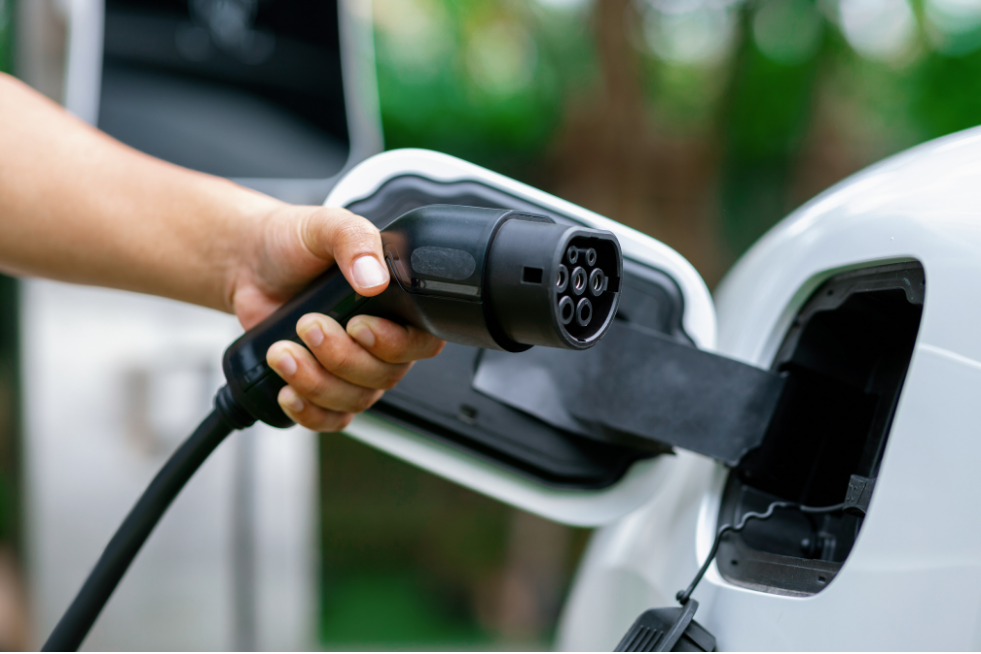
Installing a home charger typically costs somewhere between £800 and £1,200, depending on your property and the charger you choose. It might be worth doing some research as grants may be available to help with the costs. Whilst it can feel like a hefty upfront expense, charging at home is usually much more affordable than relying on public rapid chargers, particularly if you can take advantage of cheaper overnight electricity tariffs.
If you need a resident’s parking permit, don't forget to factor that in. Some councils charge a lot more for higher-emission vehicles or a larger engine size, so changing your car could also change what you’re paying each year. It’s worth checking what your local council charges for to get a more accurate cost.
Not every child seat fits every car equally well. If you've ever wrestled one through a narrow door gap, you'll know that a few extra centimetres can make a huge difference. It’s better to check now than find out later, the hard way.
Dash cams have become much more common over the last few years. They provide useful evidence after an accident, and some insurers offer discounts if you have one fitted. Even when that’s not the case, having clear footage can make an insurance claim much simpler.
There are quite a few ways to help you save money without compromising on the dream car you’ve always wanted.
A car that's only a year or two old may well feel virtually brand new, but new cars depreciate steeply from the moment they’re driven away. A year-old car will cost significantly less than its factory-fresh counterpart, and if you can find one with low mileage it could be the best of all worlds.
Finance paperwork isn't the most riveting, but taking 10 minutes to understand it now could save you paying more later. Look in particular at the interest rate, the total amount you'll repay and what happens when the agreement comes to an end. Those details matter much more than the monthly payment on its own.
If you're already planning to buy a car or arrange insurance, have a look at Blue Light Card before making a decision. Members can access motoring discounts with selected partners, so it's an easy place to check before you commit.

Before you sign on the dotted line, ask yourself these quick questions:
Alongside the purchase price, remember to budget for insurance, vehicle tax, fuel or charging, servicing, tyres, maintenance and any optional extras you decide to add.
It depends on your priorities. A brand-new car comes with the latest features and a manufacturer's warranty, while a nearly new car may offer much better value because someone else has already absorbed the steepest depreciation.
With PCP (Personal Contract Purchase), you're usually paying for the car's depreciation and can return, trade in or buy the car at the end of the agreement. With HP (Hire Purchase), you're paying towards owning the whole car from the start, so once you've made the final payment, it's yours.
A larger deposit can reduce your monthly repayments and the amount of interest you pay overall. However, it's important to leave enough money aside for insurance, tax and other costs you'll face after collecting the car.