

It might feel a little odd to be thinking about winter already, but soon enough woolly jumpers will be making their long-awaited comeback. With the change of seasons, all our favourite pastimes return: crisp air on a cold morning, crunchy leaves underfoot and swapping iced coffees for hot ones.
That means it’s time to start preparing your home for the months ahead, making sure it’s as efficient as possible at keeping you and whoever you live with warm – without spending a fortune.
If you can get a few simple, practical improvements in place now, you can head into winter knowing your home is ready and raring to take on the cold, leaving you free to embrace all of the season in its delightful cosiness.
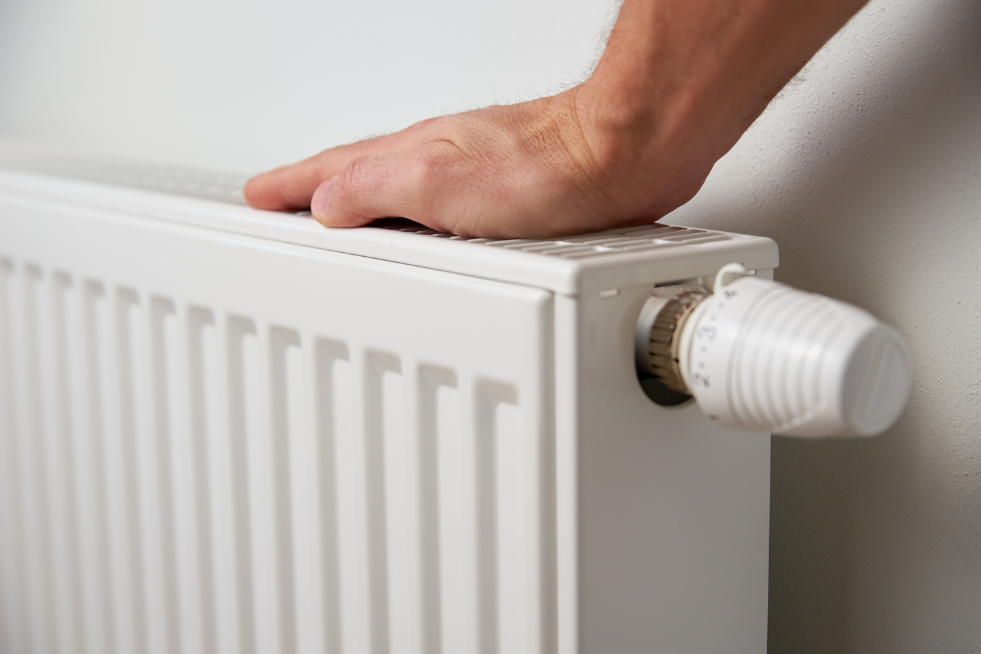
Chances are the heating’s been off for months. You’re pretty certain it’ll work fine, but taking a minute to double-check now could save you some hassle on a cold night in November.
Fire up the heating, enjoy listening for that familiar whirr as it kicks into action, let it warm up and then go around your house and give the radiators a feel. If you’re a shift worker, try this on a rest day when you’ve got the time to let it warm up properly. Are they hot all over? Because if they’re not, you might need to…
It’s a quick, easy and affordable way to help your heating system work efficiently. Follow these simple steps:
It’s as simple as that. If you’d prefer a visual, check out this video guide.
But, of course, if you’re not confident doing this yourself, ask your heating engineer to bleed your radiators when they’re next servicing your boiler. And if you don’t have an engineer coming to service your boiler every year, then make sure you carry on reading.
In all honesty, this tip should probably be first on the list, because keeping your central heating system in good working order is one of the most important things you can do to keep your home toasty warm through winter. If you have a gas boiler and don’t get it serviced every year by a Gas Safe registered engineer, now’s a good time to start.
Regular servicing can help your boiler run efficiently, which is key when you’re trying to keep energy costs down. It can also be important for keeping your manufacturer’s warranty valid, depending on its terms.
More importantly, a service gives an engineer the chance to check that your boiler is working safely and spot potential problems that could put you at risk. Think of it like a car’s MOT or a regular check-up at the dentist.
If you’re a Blue Light Card member, have a look at offers relating to home heating and boiler services as you might be able to save whilst getting peace of mind.
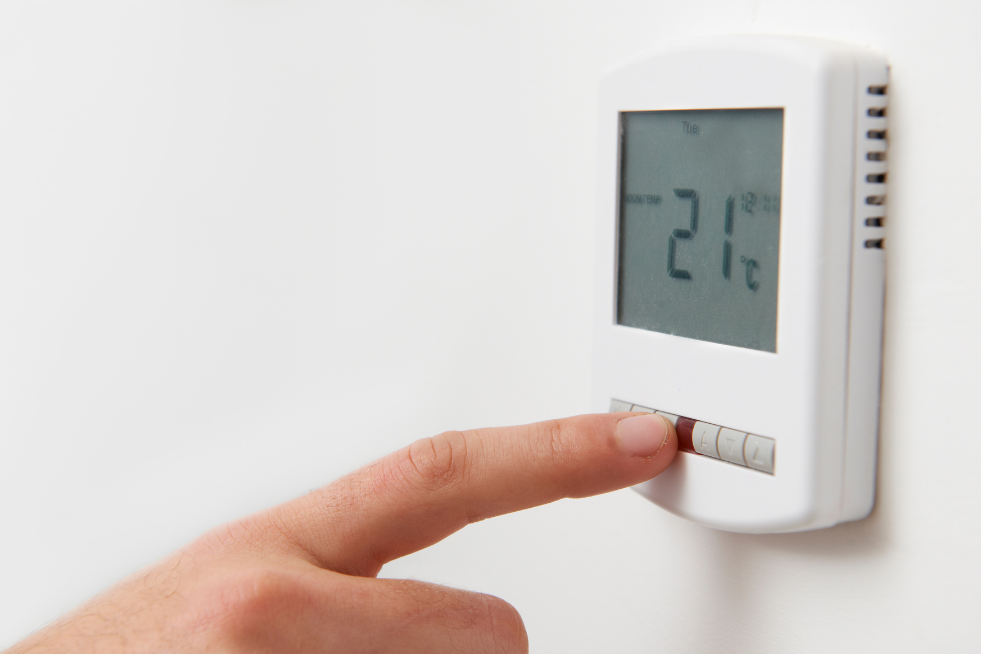
If you use the timer on your boiler or thermostat, make sure your heating is coming on when it’s actually needed. It goes without saying, but there’s little point heating an empty house.
Try putting the heating on 15 minutes before you’re due to wake up, so the house is gently warming as you’re getting ready and eating your brekkie. Or try turning the heating off half an hour before you leave for the day and let the warmth already in the house see you through.
If you work shifts, your heating schedule probably needs more thought than most. Rather than fixed morning and evening timers, programme it around when you’re actually home – even if that’s 3am after a night shift. A warm house waiting for you matters more than a tidy timer schedule.
On really cold days, is it actually more efficient to keep your heating on low all day, regardless of whether anyone’s at home or not? If you have a conventional gas boiler, generally not. Your home is constantly losing heat, so keeping the heating on means continually replacing that lost warmth. It’s generally more efficient to heat your home when you need it.
Heat pumps are a different story, though. They tend to work most efficiently maintaining a steadier temperature for longer periods, rather than repeatedly heating a cold home from scratch. It’s best to follow the recommended settings for your particular system.
Set your thermostat to the temperature that best suits you and your family. For most people, according to the Energy Saving Trust, that’s somewhere between 18°C and 21°C. Turning it down by just one degree could save you around £80 a year, so if you’ve got yours set to a balmy 22°C, try 21°C and see how you get on.
But the main thing is to stay warm, particularly if you have vulnerable people in your home. Don’t turn the thermostat down simply for the sake of saving a few quid – if you can afford to do so, of course.
On a nice, breezy autumn day, go through the house feeling around doors, windows, loft hatches and unused fireplaces to see where cold draughts might be getting in and bringing down the temperature of your home.
Then start with the easy wins. If you feel a draught coming in through the front door, for instance, fit a weather bar or brush strip. Get yourself a nice-looking draught excluder for interior doors or unused fireplaces. A relatively inexpensive letterbox cover will do the trick as well.
You can tackle draughty windows yourself, particularly if you have old single-glazed sash windows. Self-adhesive foam sealing strips are widely available from DIY shops or online, and relatively straightforward to fit. An afternoon job, honestly.
Just remember to strike a balance between keeping draughts out and maintaining good ventilation. Never block air bricks, trickle vents or extractor fans, as they need to keep fresh air moving through your home and help prevent condensation and damp.
When it gets dark, drawing your curtains is a simple way of keeping heat in. Just be careful they don’t hang over your radiators, where they could stop some of that lovely warmth from making its way into the room. If you want to go a step further, consider thermal curtains, which are designed to provide an extra layer of insulation at your windows.
And if you have hard flooring, rugs can make a room feel a lot cosier and your toes a lot warmer. They also help reduce draughts coming through gaps between floorboards. Plus, it’s a chance to bring some colour and design into the room, so have some fun with it.
Make your home makeover more affordable by browsing Blue Light Card offers, which include everything from curtains to rugs.
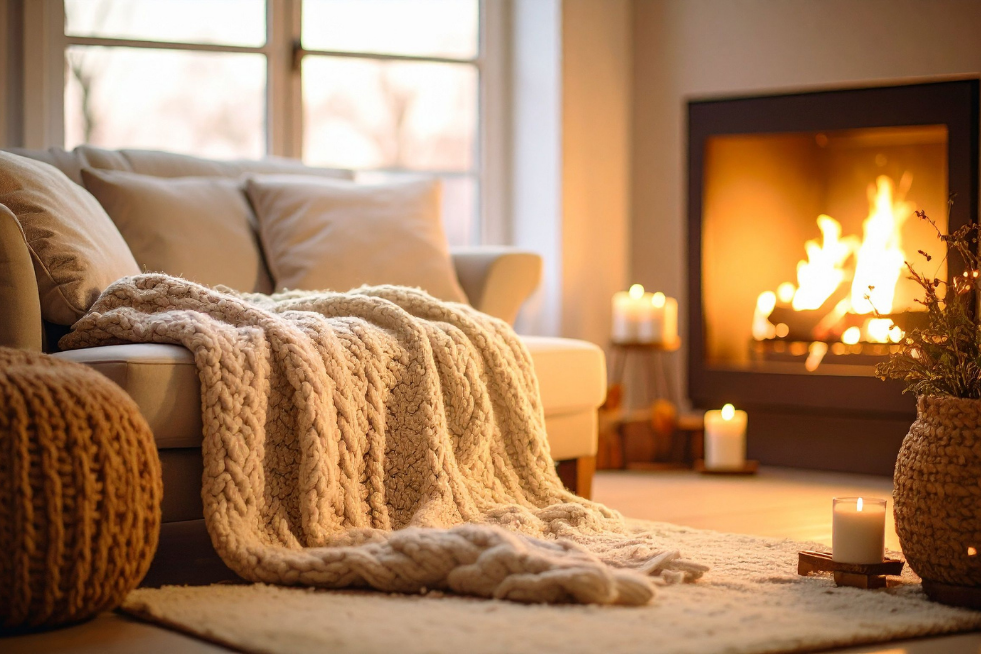
Instead of simply throwing on one thick jumper when you’re cold and calling it a day, try wearing a few lighter layers. The logic is simple: your body warms the air trapped between the layers, creating extra insulation and helping you hold on to that heat.
And don’t wait until you’re already chilly. It’s much harder to get yourself comfortably warm again once the cold has set in, so stay on top of it and add another layer as the day cools.
Electric blankets are one of the easiest wins of the whole list – especially if you’re looking to keep warm on a budget. They’re inexpensive (costing just a few pennies an hour), easy to use and help make the transition to bedtime a lot more comfortable. It helps you fall asleep more easily and means you don’t need to heat your entire bedroom to the same temperature as the rest of the house.
Learn to embrace the trusty hot water bottle. Cuddle up with one on the sofa in the evening or pop one under your duvet to warm the bed for 10 minutes before you climb in.
Just make sure you use it safely. Follow the manufacturer’s instructions, never use boiling water and remove the bottle before you get into bed. And one final thing: never use a hot water bottle and an electric blanket at the same time.
If you’re in the market for a new heater and you’re overwhelmed with the number of options there are, have a read of our guide to the 10 best heaters to warm up your home this winter.
For most people, the Energy Saving Trust recommends setting the thermostat somewhere between 18°C and 21°C. The right temperature will depend on your household, though, so prioritise keeping everyone comfortably warm, particularly older people and anyone who may be more vulnerable to the cold.
Yes. Unwanted gaps around windows, doors, floorboards and other parts of your home allow warm air to escape and cold air to get in. Tackling them can help your home feel warmer and reduce the amount of energy needed to heat it. Just be careful not to block intentional ventilation such as air bricks, trickle vents or extractor fans.
If you have conventional boiler-based central heating, it’s generally cheaper to heat your home when you need it rather than leaving the heating on low all day. Your home continually loses heat, so leaving the heating on means always replacing that lost warmth. Heat pumps work differently and generally operate more efficiently, maintaining a steadier temperature for longer, so follow the guidance for your particular system.
Start with simple measures such as closing curtains after dark, tackling unwanted draughts, adding rugs to cold floors and wearing a few light layers. You could also use a blanket or electric blanket to keep yourself warm without heating the whole house to a higher temperature.
Early autumn is a good time to start, before you need the heating every day. Test your heating, check your radiators, review your timer and thermostat settings and tackle any obvious draughts. It also gives you time to arrange a boiler service or other repairs before the colder weather arrives.