
Who’s the most loyal companion in your life? The one who’s always reliably by your side, never judges how many cookies you have in a week and is more than happy to sit through another of your TV series without a single complaint.
Chances are, it’s your loving pet. The trouble is that despite being your best bud, pets don’t come cheap. Along with the – sometimes eye-watering – vet bills, there’s the everyday stuff to think about too: food, treats, flea treatments, grooming, toys and more. Now we’re making them sound high maintenance!
But let’s face it, with pets doing so much for our wellbeing – helping reduce stress, ease loneliness and keep us active and healthy – they’re worth every penny. The trick is making sure you’re not spending more than what's necessary.
Here’s our guide to cutting pet care costs whilst keeping them happy, healthy and well-fed.
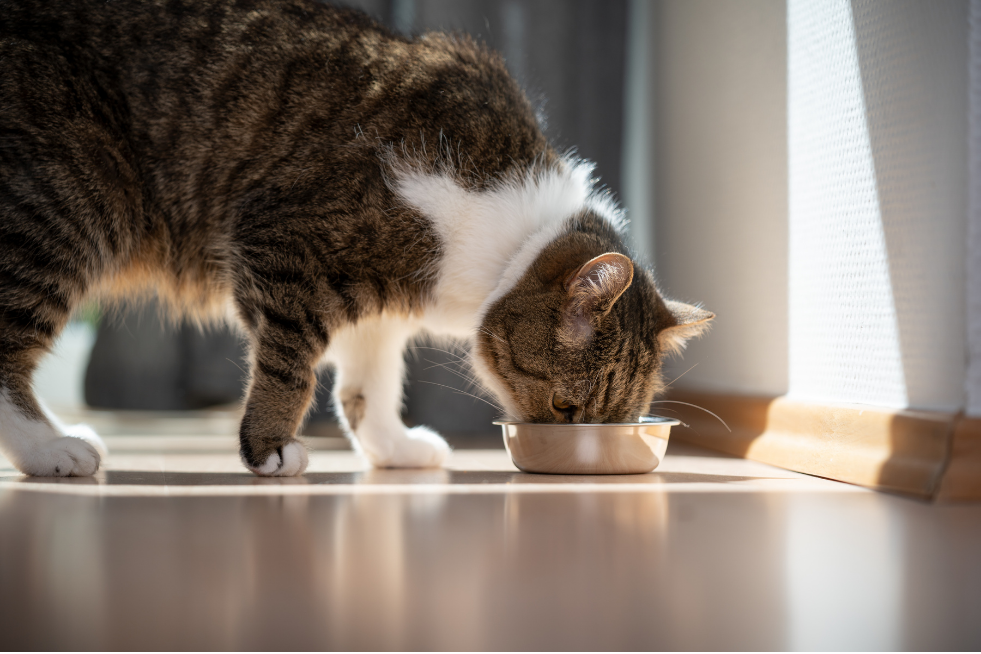
Unless your pet requires a special diet, it’s important to remember that the biggest brand name isn’t necessarily always the best-value option. What matters is that their food is nutritionally complete and suitable for their age, size and individual needs. So don't automatically dismiss brands just because they’re cheaper.
Keep an open mind and consider food options that best suit your budget, such as supermarket own brands. To help you get started, take a look at these useful Which? guides to the best-value cat and dog food.
If you’re going down the supermarket route, check out Blue Light Card Shopping Cards first. Not only could they help bring the bill down even further, but it’s also super convenient to pick up whilst you’re doing a food shop.
If your pet isn’t too picky and happy to dine on similar food most days, then buying larger bags or taking advantage of subscription offers can work out cheaper than picking up smaller packs as and when they’re needed.
This goes for other items too, such as cat litter and treats – stuff you’ll get through quicker than a Labrador devouring an unmanned bag of Kettle Chips. Plan ahead and make sure you check for pet discounts on your Blue Light Card that could help cut costs, including offers from Pets at Home, Lily's Kitchen and Zooplus.
When it comes to looking after your four-legged or feathered friend, an annual visit to the vet is a good place to start. It keeps their vaccinations up to date and gives your vet a chance to spot potential problems early on, such as dental issues.
And this isn’t just good for your pet – it could save you money too. Spotting something like a bad tooth early on allows you to deal with it before it develops into a more serious problem requiring urgent treatment.
Meanwhile, you can help cut costs by staying on top of things like routine flea treatments and buying any supplements recommended for your pet. A little maintenance now could save you money (and a few headaches) later.

Pets are like members of the family – which means it’s important to keep them happy and healthy. If your pet needs regular prescription medication, you don’t necessarily have to buy it directly from your vet. Ask whether they can provide a written prescription, which you can use with a registered online retailer. You’ll usually pay for the prescription, so compare the total cost before deciding whether you’ll actually save.
Accessories, such as beds, bowls, leads, collars, harnesses and toys, are must-haves. But resist the urge to buy a shiny new toy before the old ones have had their time. Even consider avoiding the pet aisle altogether, if you can, and only venturing that way when you need to replace something that’s past its best.
With toys, you could always rotate them every week or two, rather than leaving them all out. That way, you could get a little extra life out of your pet’s favourite plaything.
And when the time finally comes to buy something new, don’t forget to check your Blue Light Card pet care offers first. You'll find savings with some of the biggest names in pet care, which could help take the sting out of replacing a bed, lead or scratching post.
Some pets have more of a hair care routine than humans – and who can blame them! Regular trips to a professional groomer can get pretty pricey over time, particularly if your pet’s coat needs regular attention. For simpler jobs, such as brushing, bathing or keeping coats tidy, you might be able to do some of this work yourself.
Channel your inner groomer and start with the basics, making sure you know what’s safe for your pet. Leave anything more complicated to the professionals, but even stretching out the time between appointments could help bring down your annual grooming bill.

Some vets offer healthcare plans, and they’re worth looking into if routine costs are adding up. You might be able to spread costs across monthly payments. Depending on the plan, this might include things like vaccinations, regular health checks and flea or worm treatments.
If these are things you’d be paying for anyway, a monthly plan can make the costs more predictable and easier to budget for. Think of it like a TV subscription or car insurance – one predictable monthly amount rather than a bill that catches you off guard. But always check what’s included before signing up and compare the overall cost to make sure the plan is right for you and your pet.
Of course, if you’re really struggling with the cost of looking after your pet, it’s worth finding out what help is available. Some charities and local organisations offer support to pet owners who are finding it difficult to make ends meet. But check first, because in most cases, you’ll usually need to meet certain eligibility criteria.
Depending on your circumstances and where you live, help could include:
Before you buy anything pet-related, it’s worth a quick check on your Blue Light Card. You can find pet care discounts on food, grooming products, flea treatments, dental care, supplements, accessories and more – from well-known brands you already use. Let us help you bring down everyday pet care costs.
Start by looking at your regular spending. Buying pet food in larger quantities, considering better-value brands, shopping around for repeat medication and doing simple grooming at home can all help. Staying on top of preventative care may also help avoid more expensive problems that crop up later.
Price and brand name aren't the only things that matter. Look for nutritionally complete food that's appropriate for your pet's age, size and individual needs. If your pet has particular dietary or medical requirements, follow your vet's advice.
It can be. Larger packs often work out cheaper per kilogram, while subscriptions can sometimes offer additional savings. However, only buy quantities you'll actually use and check storage instructions and use-by dates before stocking up.
Depending on your circumstances and where you live, you might qualify for help from animal charities or local organisations. Support can include free or reduced-cost veterinary care, help with neutering and access to pet food banks. Eligibility varies between schemes.
Yes. Blue Light Card members can access pet care offers across categories including pet food, grooming, flea treatments, dental care, supplements, accessories and pet technology. Offers can change, so log in to check what's available before you buy.