
Blue Light Card has commercial relationships with brands mentioned in this article and may earn a commission if you purchase products through one of our links, at no extra cost to you.
The alarm goes off at 6am. Your trainers are by the door, your future self is fit, rested and cheerful. But you’re still firmly under the duvet. And fair enough, you did finish at 11pm. A lot of us make fitness plans that fall apart, especially when rotas change every week, and life gets in the way.
So before you buy a load of fitness tech that might not get much use (hello, exercise bike gathering dust in the garage), here’s our pick of the best exercise gear for sticking to your goals. We’ll cover what’s worth the money, who it suits and how to make it fit around your life.
And if you’re a Blue Light Card member, browse sports and fitness discounts that could help you save along the way.
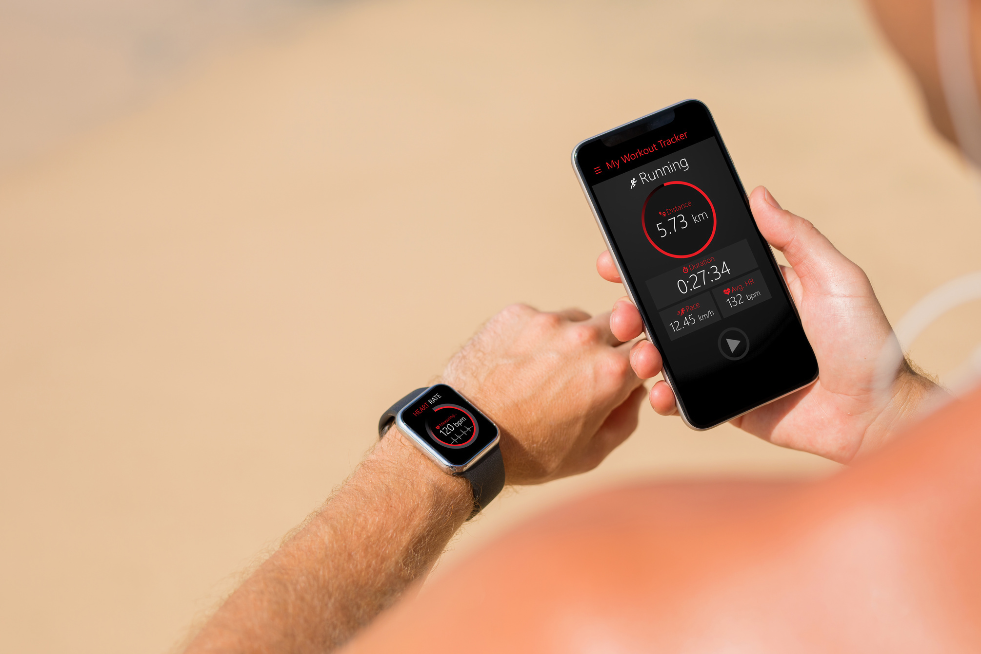
If you’re setting new fitness goals, you’ll want a way to see how you’re getting on. Fitness trackers and smartwatches count your steps, log your workouts and keep an eye on your heart rate, so you can tell whether you’re on track or if the sofa is winning. No judgement from us, it’s been a long week.
A straightforward Fitbit might be all you need to track your daily activity and set yourself realistic targets. Some models, such as the screen-free Google Fitbit Air, are particularly discreet, so you can track your activity throughout the working day without another screen demanding your attention. If Fitbit’s on your shortlist, it’s worth checking what you could save with your Blue Light Card.
As well as offering some serious bits of kit for running and cycling enthusiasts, Garmin also makes some attractive wearables that could easily pass for a regular watch. They suit anyone who wants to keep track of everything from daily steps and cardio workouts to stress levels and sleep. Garmin is another brand with offers to look at on your Blue Light Card before you buy.
If you’d like something more discreet still, an Oura smart ring is a good option. It can monitor your heart rate and skin temperature, as well as blood oxygen levels while you sleep. Its focus on recovery and sleep could be useful if you work irregular shifts and want to see how much rest you’re actually getting. Worth seeing what you could save on Oura with your Blue Light Card.
They might not be the first thing that springs to mind when you think of fitness kit, but a good pair of headphones could be just what you need to get motivated. Think how much more enjoyable a 30-minute cardio session could be with your favourite playlist to keep you company.
If you’re planning to take up running, try looking at headphones designed specifically for exercise. Shokz OpenRun and OpenMove headphones sit just outside your ears rather than in them, so you can still hear traffic, colleagues or the dog while you’re moving. Shokz is one to check on Blue Light Card before hitting checkout.
The Bose Sport Open Earbuds have a silicone cuff that keeps them in place, with a sweat-proof, splash-proof and dust-resistant build. They’re a good option if you fancy catching up on your favourite true crime podcast while legging it through the park on your lunch break. Calling all members: Bose is also a great shout for headphones, so check the app.
If keeping track of your weight and body composition is part of your fitness goals, smart scales could be a useful addition to your routine. With that said, they’re not for everyone, and if numbers on a screen aren’t helpful to you, it’s absolutely fine to skip them. Some models estimate how much body fat and muscle you have, but those readings aren’t always precise, so they’re better used for spotting longer-term trends than judging a single day.
There are plenty of options out there, including affordable smart scales by Eufy and more sophisticated models from Withings. And if you already use a Garmin smartwatch, the Garmin Index S2 could be a good match, letting you chart your weight and body composition trends alongside other fitness data in the Garmin Connect app.
Eufy, Withings and Garmin all have offers on Blue Light Card, so check what you could save before you buy.
Finding time for a fitness class or session with a personal trainer isn’t easy when you’re squeezing exercise in between changing rotas, family commitments, and the odd bit of time to put your feet up. Fitness apps can really come into their own here. They provide you with a plan to follow, encouragement and some structure, whatever time you finish work.
All three brands are on Blue Light Card too.
The real advantage here is flexibility. You can fit a workout around your day rather than the other way around. Just be realistic about how much time you can spare and check the subscription costs before signing up. There’s no point paying for a programme you’re too busy to use.
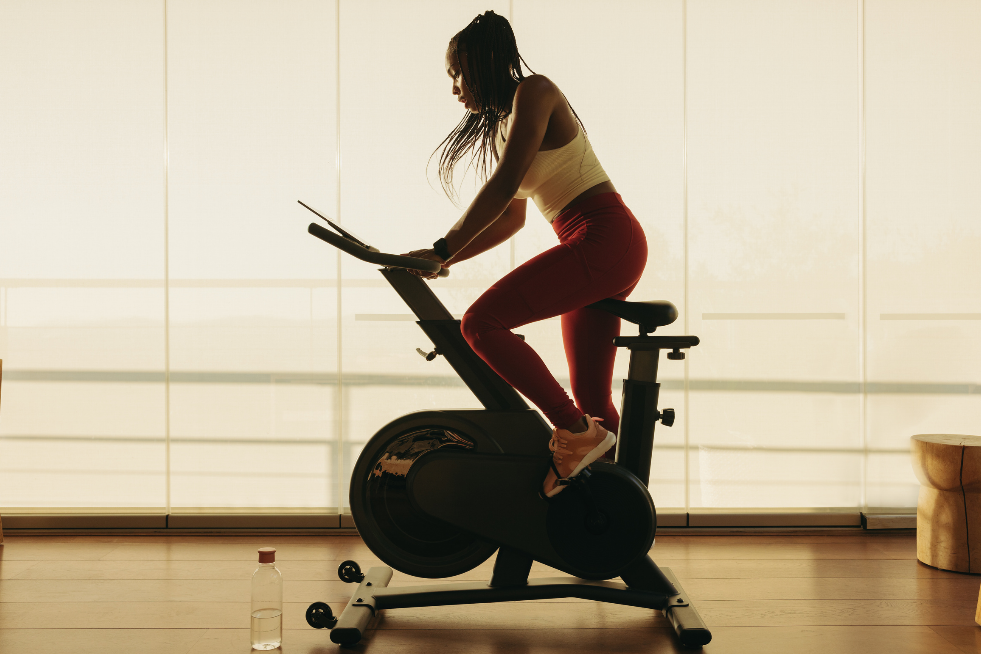
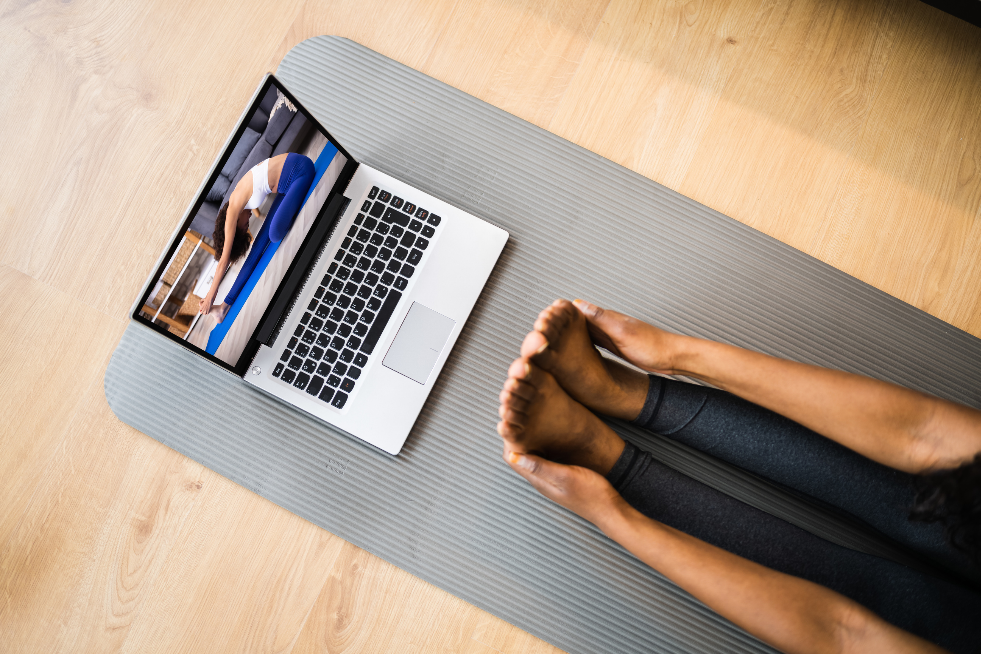
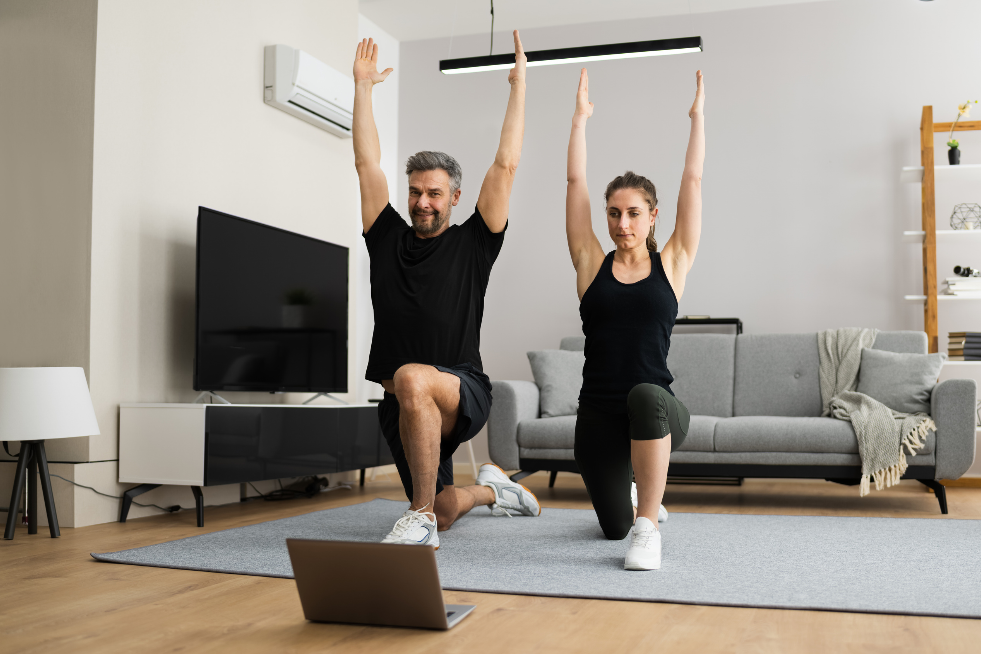
For some of us, the biggest incentive to exercise is not having to leave the house to do it (amen to that). No travelling to the gym, no waiting for equipment to become free and, best of all, no worrying about opening hours. If you work irregular shifts or have children to look after, being able to fit in 30 minutes whenever you get the chance could make all the difference.
You don’t need to turn your spare room into a fully equipped gym, either. A set of resistance bands, some dumbbells or a decent exercise mat could be enough to get started, particularly if you’re following workouts through an app. Workout clothing is the other bit of kit that might need sorting out (nobody enjoys a squat in jeans), and Gymshark is a great place to start, especially with a Blue Light Card discount on top.
If you’re serious about indoor cycling, something like a Peloton exercise bike could be worth considering. It brings instructor-led cycling classes into your home, but it’s a significant investment with ongoing subscription costs, so make sure it’s right for you before you buy. If it is, see what you could save with your Blue Light Card first.
And if you’re looking for even more inspiration, have a read of our blog on home gym equipment to keep you moving.
Before you buy the latest fitness gadget because you think you should or it looks cool, ask yourself a few questions. Even the smartest bit of kit won’t change your personality or make your busy working life any less hectic.
Sticking to a fitness routine is tough enough. Add changing shifts to the equation, and it gets even harder. But it’s certainly doable, as long as you’re honest with yourself about what you can manage and stay flexible. The best fitness tech for shift workers bends around your rota, not the other way round. Our guide to fitting fitness around your shifts has plenty more ideas.
Before you pay full whack, it’s worth seeing what you could save with your Blue Light Card. You’ll find offers from partners including Garmin, Fitbit, Gymshark, Peloton, Les Mills and The Body Coach, covering everything from fitness trackers and workout clothing to home exercise equipment and online classes.
Have a look at Blue Light Card sports and fitness offers and see what suits your goals and budgets.
If you’re new to fitness tracking, you probably don’t need an expensive smartwatch with lots of bells and whistles. A basic fitness tracker from a brand such as Fitbit could be enough to monitor your steps, heart rate and daily activity. The best choice depends on your goals, budget and how much information you actually want.
Yes, they can give you structured workouts, training plans and encouragement without requiring a gym membership. Brands such as Les Mills and The Body Coach App offer workouts you can follow at home, while Runna can help you work towards running goals. Just pick one that suits your fitness level and the time you have available.
The key is to build your exercise routine around your rota rather than trying to stick to a rigid timetable. Shorter workouts can be useful during busy weeks, while days off might give you time for longer sessions. And remember that rest and recovery matter too, particularly after night shifts.
Fitness trackers can help you see how far you’ve come, while apps offer workout plans, reminders and goals to work towards. Some people find the numbers and notifications encouraging, while others prefer a less structured approach. The trick is to find technology that makes exercise easier to stick with.